Why Your ASV Scan Keeps Failing: CVSS Thresholds, False Positives & What to Fix
/0 Comments/in Events-home, Knowledge-home, NewsWhy Your ASV Scan Keeps Failing: CVSS Thresholds, False Positives & What to Fix
Most ASV scan failures aren't caused by actual vulnerabilities. They're caused by misunderstanding how the process works — where the threshold sits, what the output actually means, and what happens when a scanner reads a version string that tells the wrong story.
An ASV — Approved Scanning Vendor, certified by the PCI Security Standards Council (PCI SSC) — performs the external vulnerability scans required under PCI DSS Requirement 11.3.2. Here are the three realities that trip up compliance programs more than almost anything else.
1. The CVSS 4.0 Threshold Is Lower Than You Think
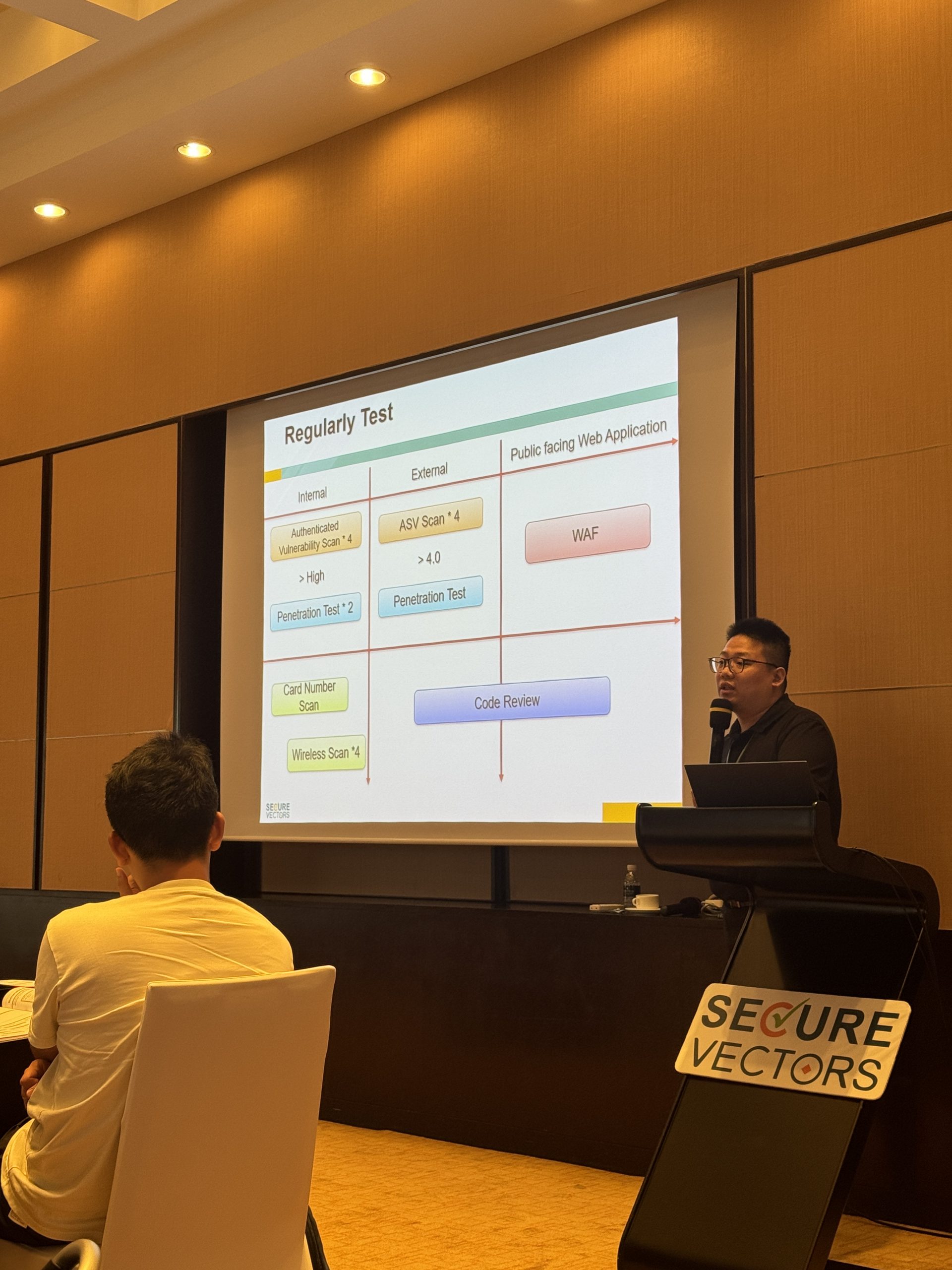
Under PCI DSS v4.0.1, the pass/fail cutoff for external ASV scans is a CVSS score of 4.0. That's the bottom of the "Medium" band — not High, not Critical. A single finding at 4.0 on an internet-facing host connected to the cardholder data environment (CDE) invalidates the entire scan and blocks compliance validation until you remediate and rescan.
| CVSS Range | Severity | ASV Scan Result |
|---|---|---|
| 0.0 – 3.9 | Low / None | Pass ✓ |
| 4.0 – 6.9 | Medium | Fail ✗ |
| 7.0 – 8.9 | High | Fail ✗ |
| 9.0 – 10.0 | Critical | Fail ✗ |
"Medium" sounds optional. Under the current standard, it isn't — it stops your quarterly vulnerability scan cycle cold.
One important distinction: this fixed CVSS 4.0 threshold applies to external ASV scans (Requirement 11.3.2). Internal vulnerability scans under Requirement 11.3.1 follow your own risk-ranking methodology defined through Requirement 6.3.1. The threshold for internal scans is yours to set. The external one is not.
2. A Clean ASV Scan Output Isn't a QSA-Ready Report
This is the gap we see most often across Fintech: a company runs a scanning tool, gets a clean output, and assumes the job is done — only to have the QSA send the entire report back during validation.
The problem is straightforward. Automated scanners produce raw data. QSAs need a defensible compliance artifact. Those are not the same thing.
A single scan can return dozens of findings — many of them false positives from banner grabbing, WAF interference, or version-detection errors. None of that gets cleaned up automatically. Under PCI DSS v4.0.1, an ASV report requires every finding to be triaged, every false positive properly documented, and every CVSS 4.0+ vulnerability either fixed or formally disputed.
Without that layer of consultant review, unfiltered findings get passed straight to engineering. Teams cross-check, retest, and eventually realize half the items shouldn't have been there in the first place. Weeks burned on noise.
3. The Backporting Trap: Why ASV Scans Flag False Positives
Here's the most common example of why manual review matters.
Your Ubuntu host shows OpenSSH 8.2 in its banner. The scanner cross-references CVE-2023-38408, finds a match against that version string, and flags an automatic failure. Except that fix was backported into the distro's 8.2 package months ago. The host is patched. The scanner doesn't know that.
ASV scans rely on banner grabbing — they read the version string a service advertises and check it against a CVE database. They have no way of knowing which patches your distribution backported silently. RHEL, Debian, and Ubuntu all do this heavily. The package version doesn't change, but the underlying vulnerability is fixed.
The right response isn't to ignore the finding — it's to dispute it properly. Gather evidence: installed package versions (dpkg -l, rpm -q), the vendor security advisory confirming the backport, and your actual patched version string. Submit it in writing to your ASV with a clear description.
But don't dispute everything. ASVs notice when companies contest 30+ findings every quarter. Fix what you can. Dispute only the genuine false positives backed by clean evidence.
The Bottom Line
A "Medium" score isn't optional. A clean scan output isn't a finished report. A "vulnerable" version string isn't always a vulnerability. These three gaps account for more failed ASV scan cycles than the actual security issues they're designed to catch.
Frequently Asked Questions
What CVSS score fails a PCI ASV scan?
Under PCI DSS v4.0.1, any external vulnerability with a CVSS score of 4.0 or higher — including Medium severity (4.0–6.9) — automatically fails the ASV scan. The scan must be remediated and rescanned before compliance can be validated.
Can I dispute false positives on an ASV scan?
Yes. If a finding is a false positive — for example, a backported patch that the scanner misidentified via banner grabbing — you can submit evidence to your ASV including installed package versions, vendor security advisories, and configuration documentation. The ASV reviews and reclassifies confirmed false positives.
What is the difference between an ASV scan and an internal vulnerability scan?
External ASV scans (Requirement 11.3.2) use a fixed CVSS 4.0 pass/fail threshold and must be performed by a PCI SSC-approved Approved Scanning Vendor. Internal vulnerability scans (Requirement 11.3.1) follow the organization's own risk-ranking methodology defined under Requirement 6.3.1, with thresholds set internally.
At Secure Vectors, we help businesses stay continuously compliant with ASV reports aligned to QSA expectations — delivered in 7–10 business days, with full scan lifecycle support from triage through dispute resolution.
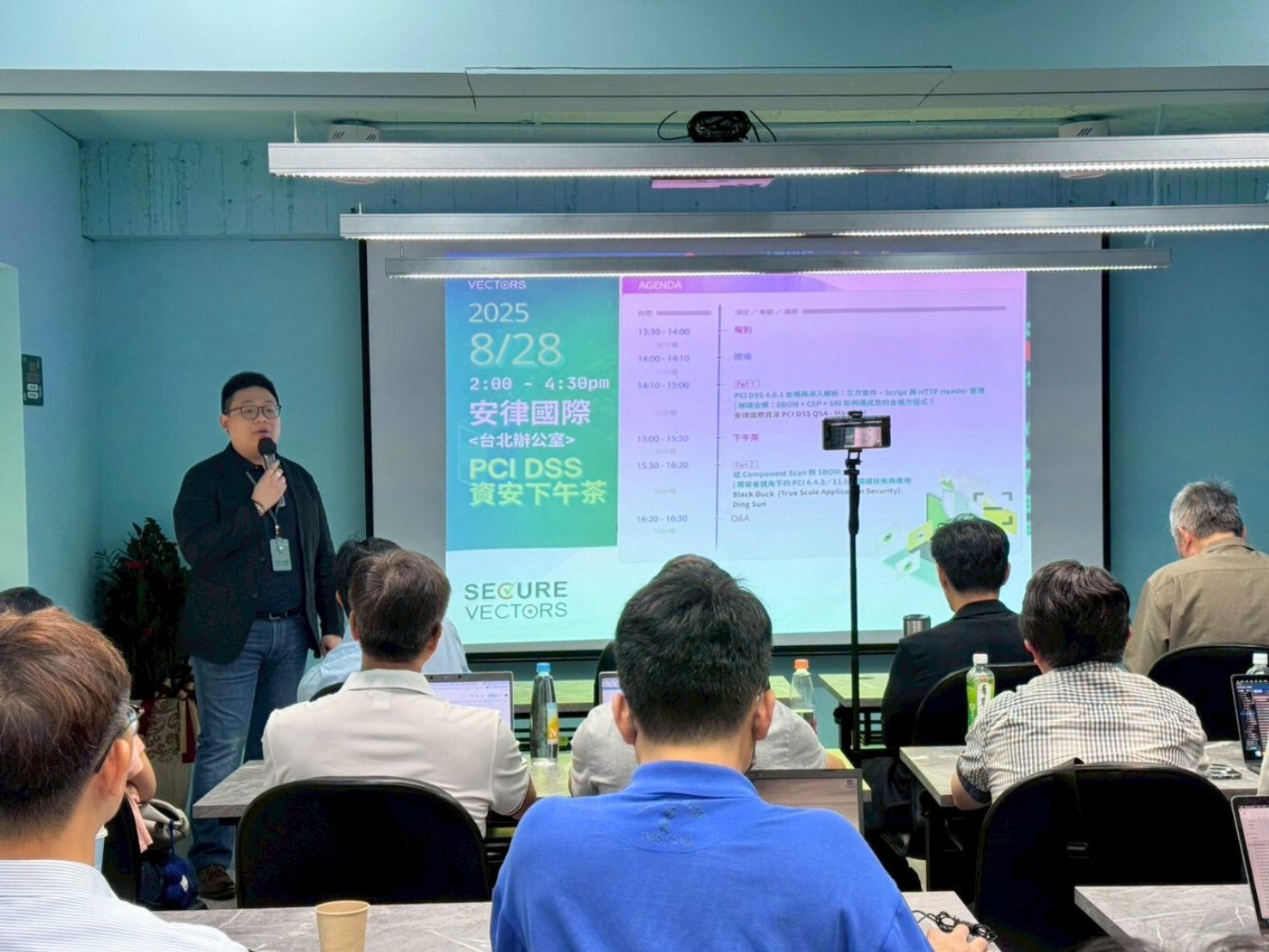
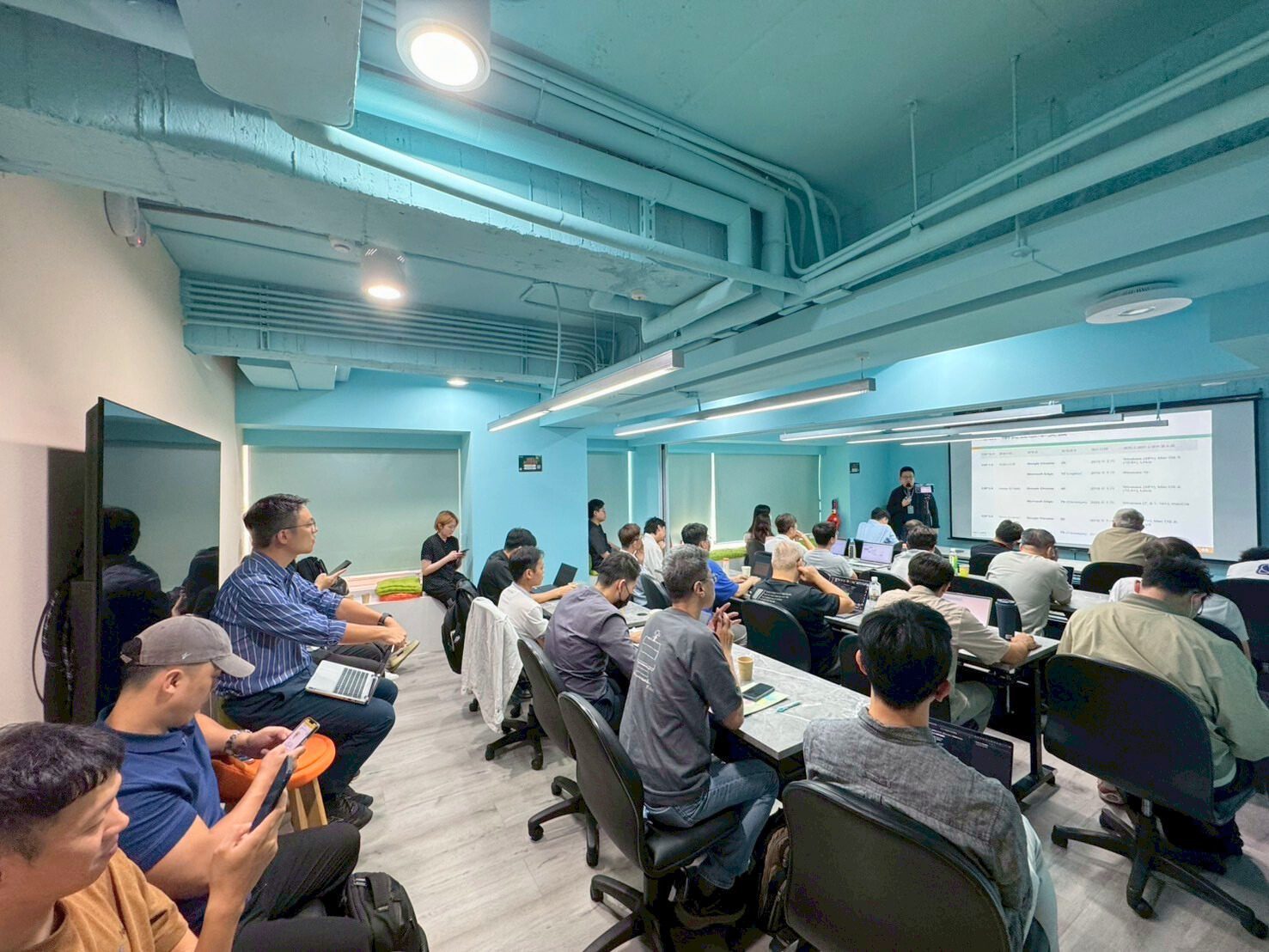
Learn More About Our ASV Service →2025Q3 PCI DSS Workshop (PCI DSS v4.0.1 Three Major Invisible High-Risk Controls and Implementation)
/0 Comments/in Events, Events-home📢PCI DSS v4.0.1 — The 3 Hidden High-Risk Controls You Can’t Ignore
Code Review × Script Management × Change & Tamper Detection
PCI DSS v4.0.1 introduces three critical new application-layer requirements:
6.3.2 Secure SDLC & Code Review
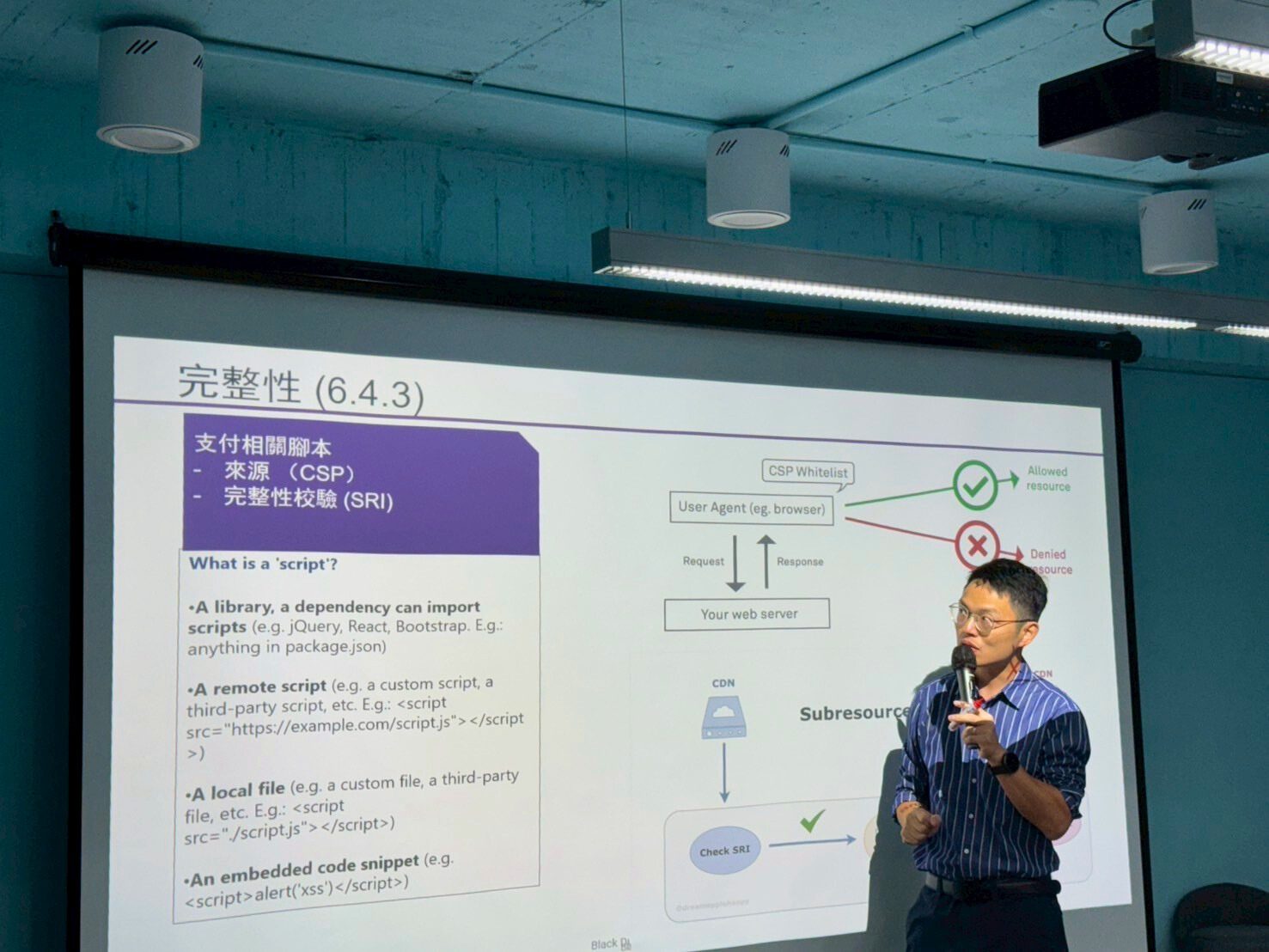
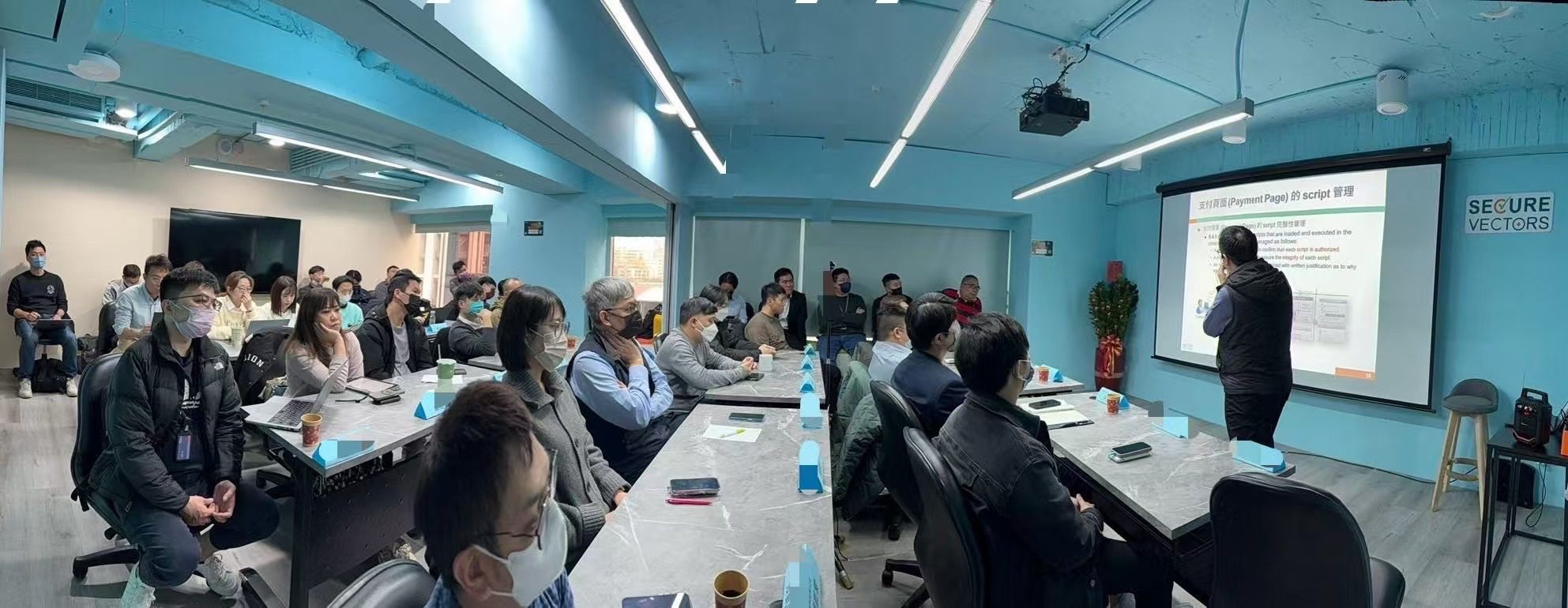
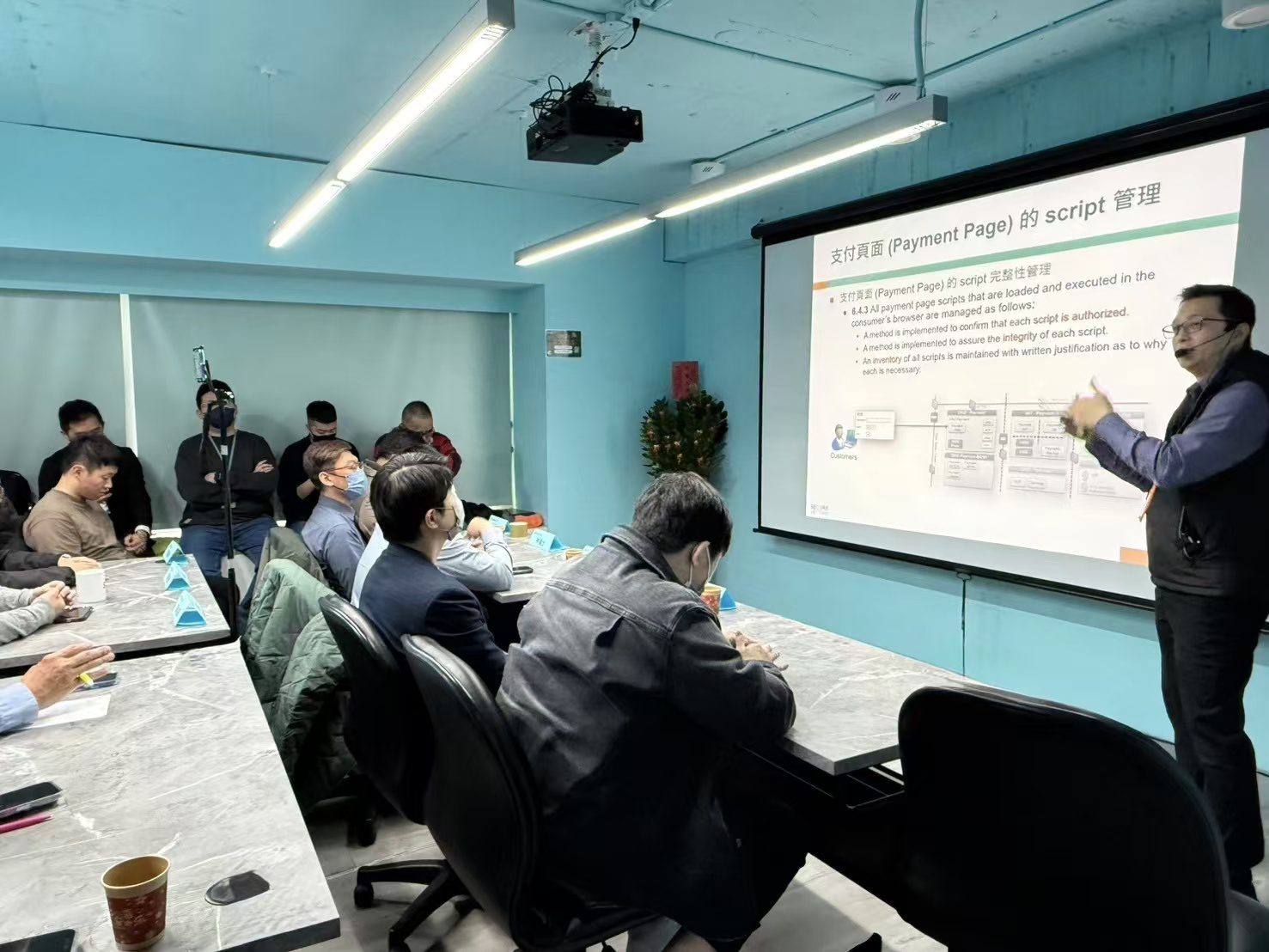
6.4.3 Payment Page Script Management
11.6.1 Change and Tamper Detection
These address client-side attacks (e.g., Magecart) and strengthen compliance defenses from development to the browser endpoint.
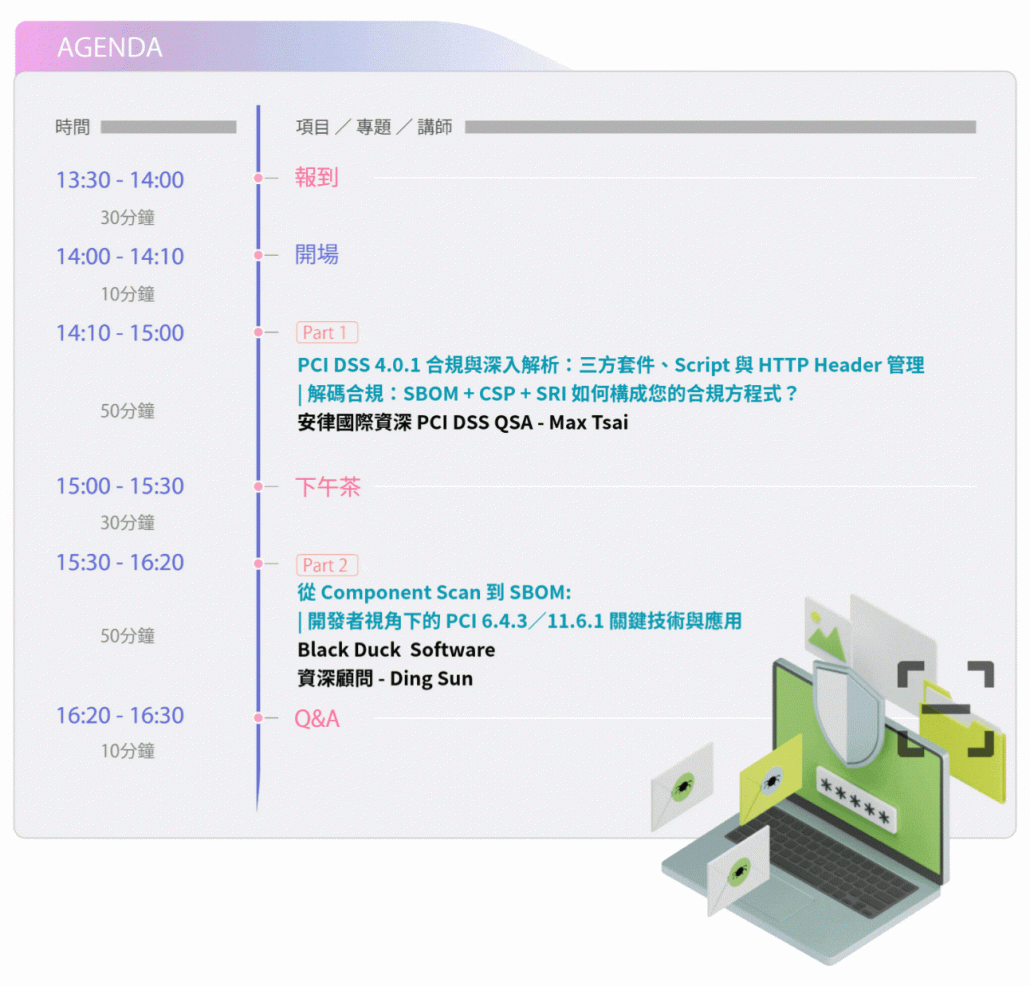
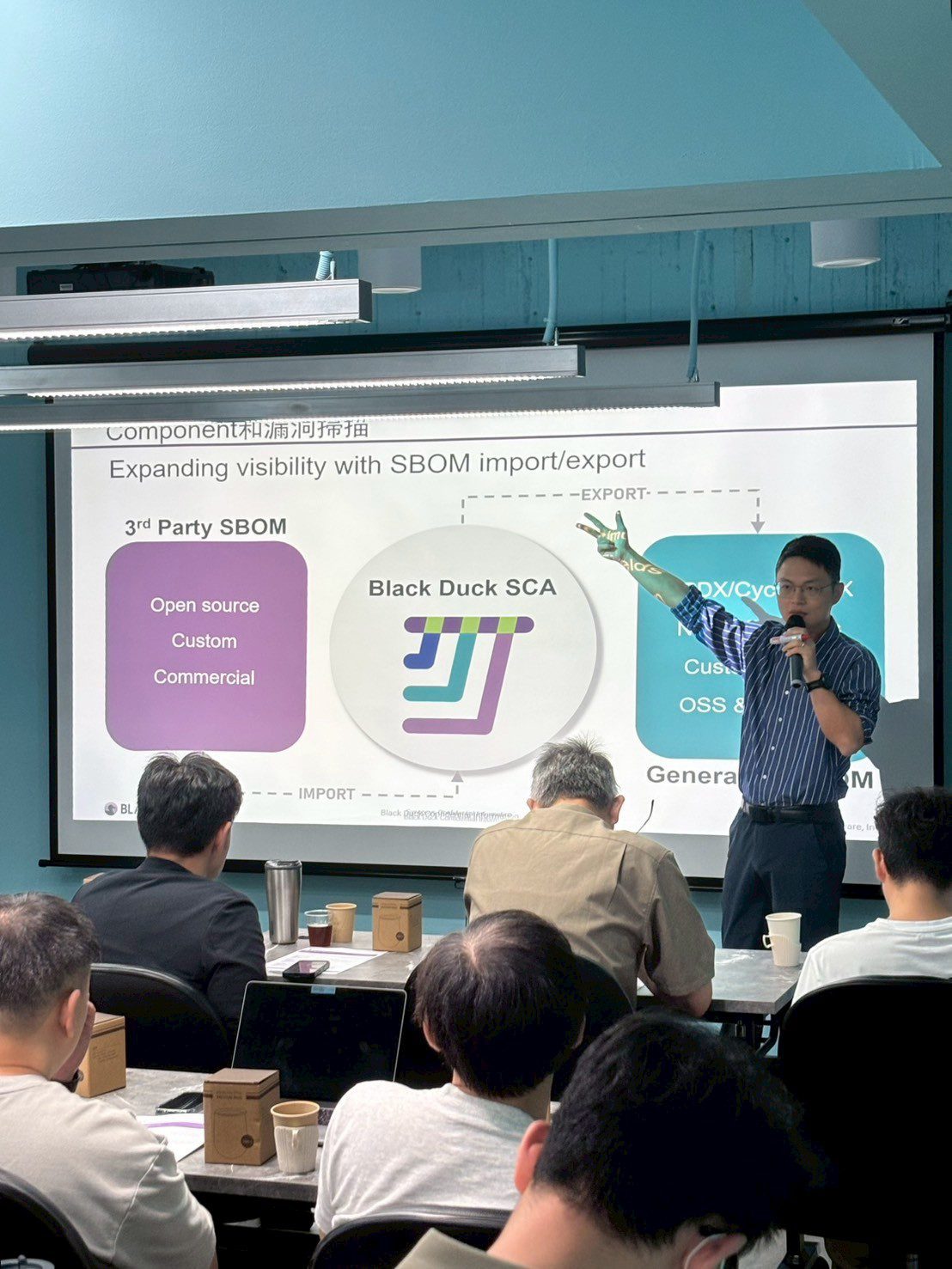
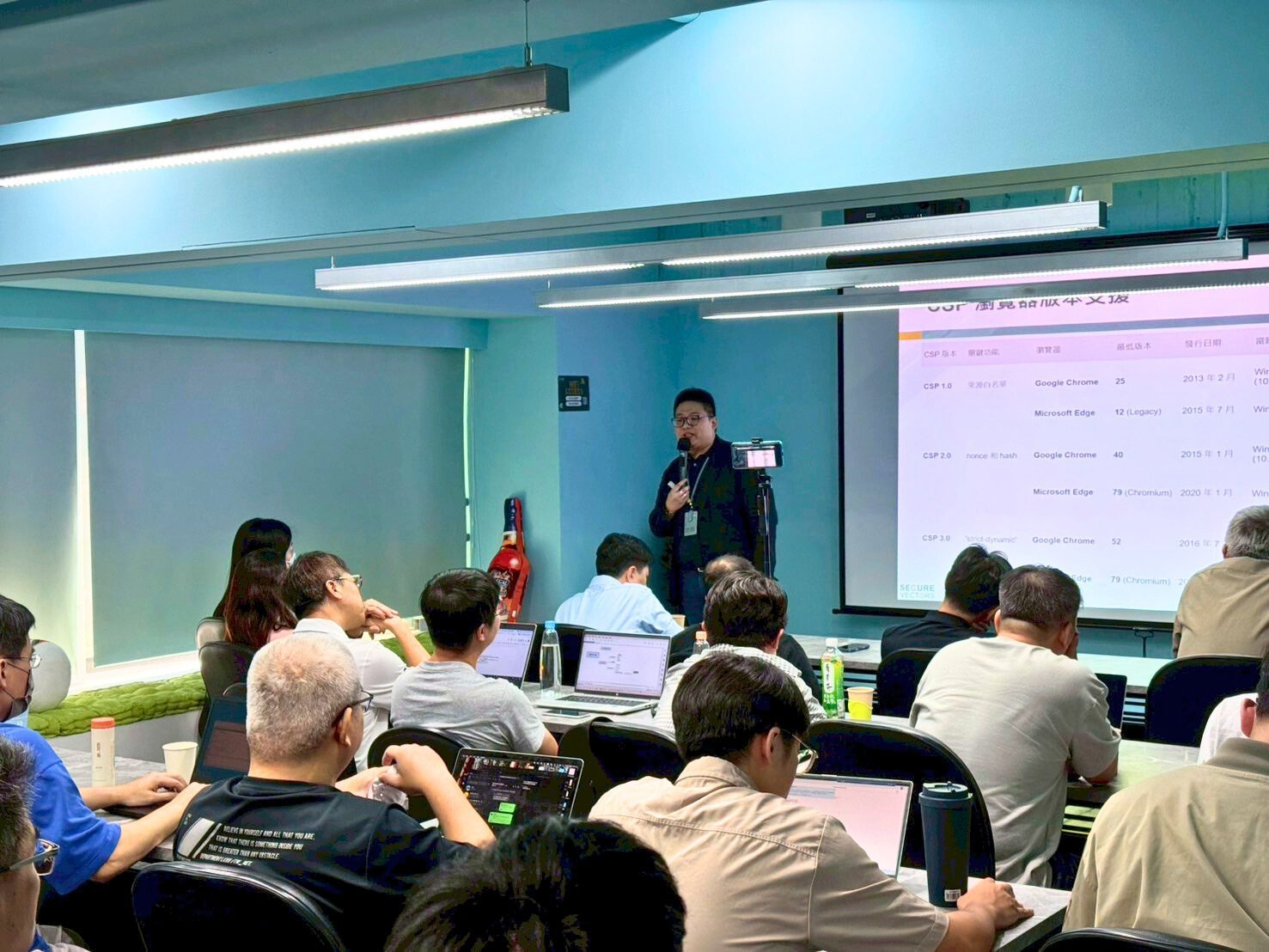
This session features Dr. Ding Sun, International Open Source Security Expert at Black Duck, who will share first-hand practical experience from Singapore. Combining requirement interpretation with technical implementation, he will help teams upgrade compliance and security in one step.
🔍 Requirement Breakdown: Key high-risk application-layer controls in PCI DSS v4.0.1
🛠️ Technical Implementation: Secure SDLC integration, payment page script control, and change/tamper detection
💡 Risk Mitigation: Protection strategies against client-side attacks (e.g., Magecart)
🌏 Global Insights: Best practices from Black Duck’s international expert
Highlighted PCI DSS Requirements
Req. 6.3.2 – 🛠️ Secure SDLC Integration
Implement security checkpoints across requirements, design, development, testing, and deployment—“prevention is better than cure.”
Req. 6.4.3 – 🧩 Payment Page Security Strategy
Establish robust script management and authorization processes to block client-side data theft.
Req. 11.6.1 – 🕵️♂️ Change and Tamper Detection
Continuously monitor payment page and data transmission integrity to quickly detect and respond to anomalies.
Speaker
Dr. Sun Ding – Senior Consultant, Black Duck Solutions
Extensive international experience in cybersecurity and compliance
Specializes in open-source security, application vulnerability management, and compliance strategy implementation
About Black Duck
Black Duck Software provides application security testing solutions for open-source software security and compliance, helping enterprises manage and reduce risks in both cloud and on-premises deployments—enhancing software trustworthiness and business competitiveness.
#PCI DSS #Compliance #Cybersecurity #Script #HTTPHeader #SBOM #CSP #SRI #ComponentScan
📅 Time: Thursday. 2025-08-28 | 2:00 – 4:30 PM
📍 Location: Secure Vectors, Taipei Office
(MRT Nanjing Fuxing Station Exit 8 or Songjiang Nanjing Station Exit 6)
Seats are limited—don’t miss out!
👉👉👉 Register now to master the three hidden high-risk controls in PCI DSS and upgrade compliance and security simultaneously!
**Personal Data Notice**
To organize this event, your name, job title, contact number, email, and company name (C001 Personal Identifiers, C061 Employment Details) will be collected for necessary communications and operations. Incomplete information may affect notifications.
You may exercise your rights under Article 3 of the Personal Data Protection Act. For inquiries, contact Secure Vectors at (02) 3393-1006 or service@securevectors.com.
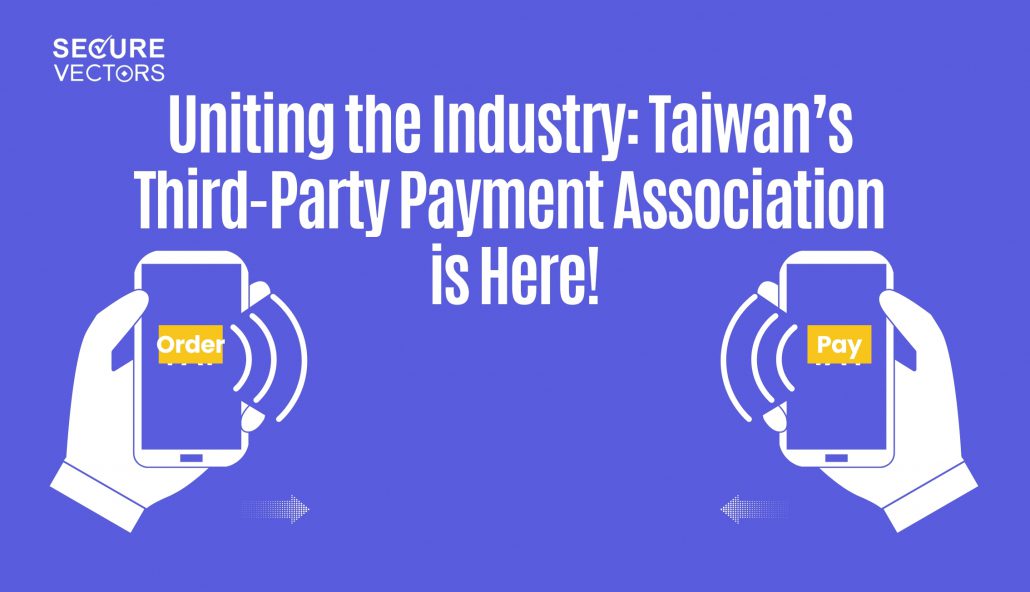
Uniting the Industry: Taiwan’s Third-Party Payment Association is Here!
/0 Comments/in Events
Uniting the Industry: Taiwan’s Third-Party Payment Association is Here!
A Major Milestone for Taiwan’s Third-Party Payment Industry
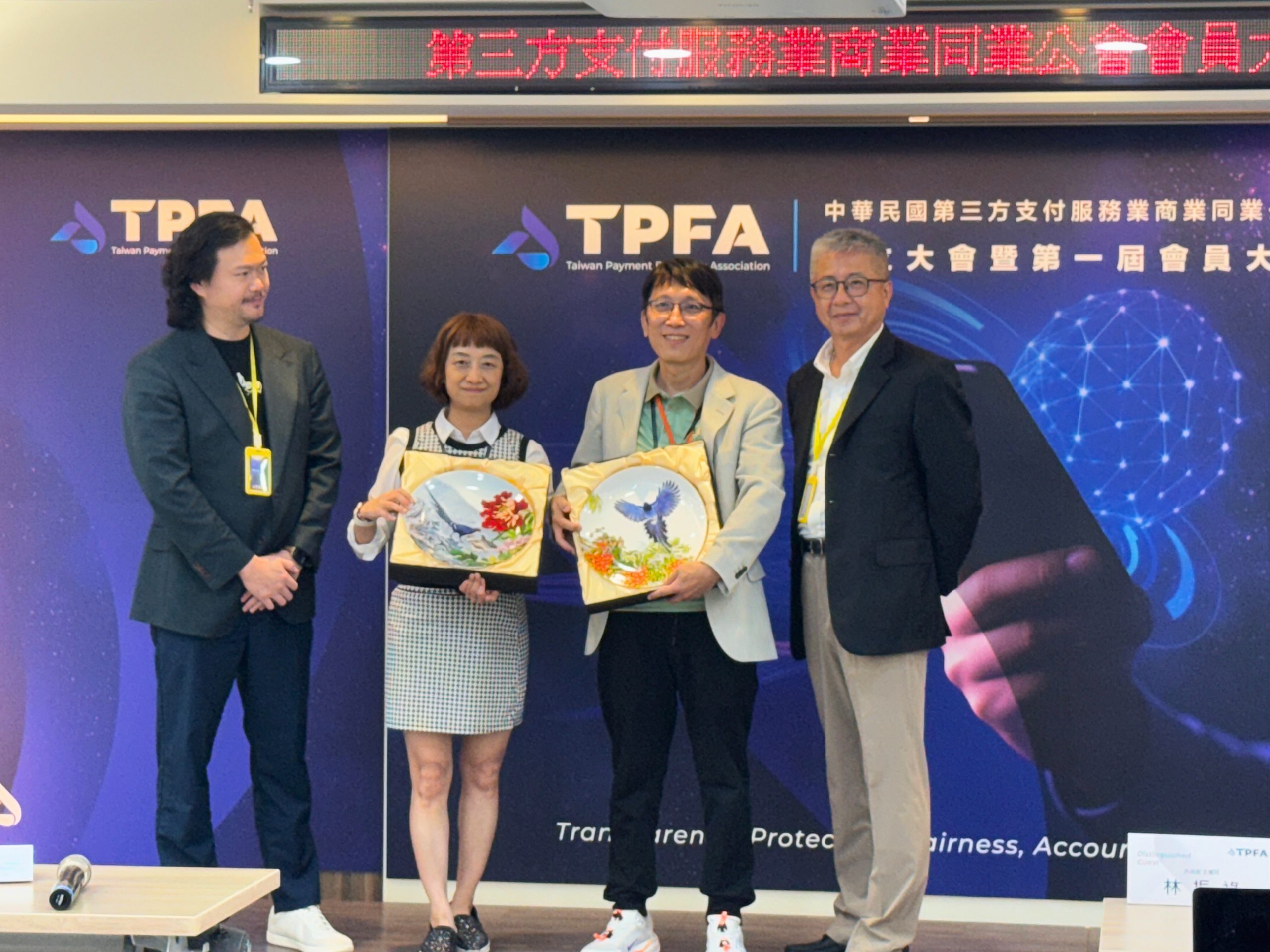
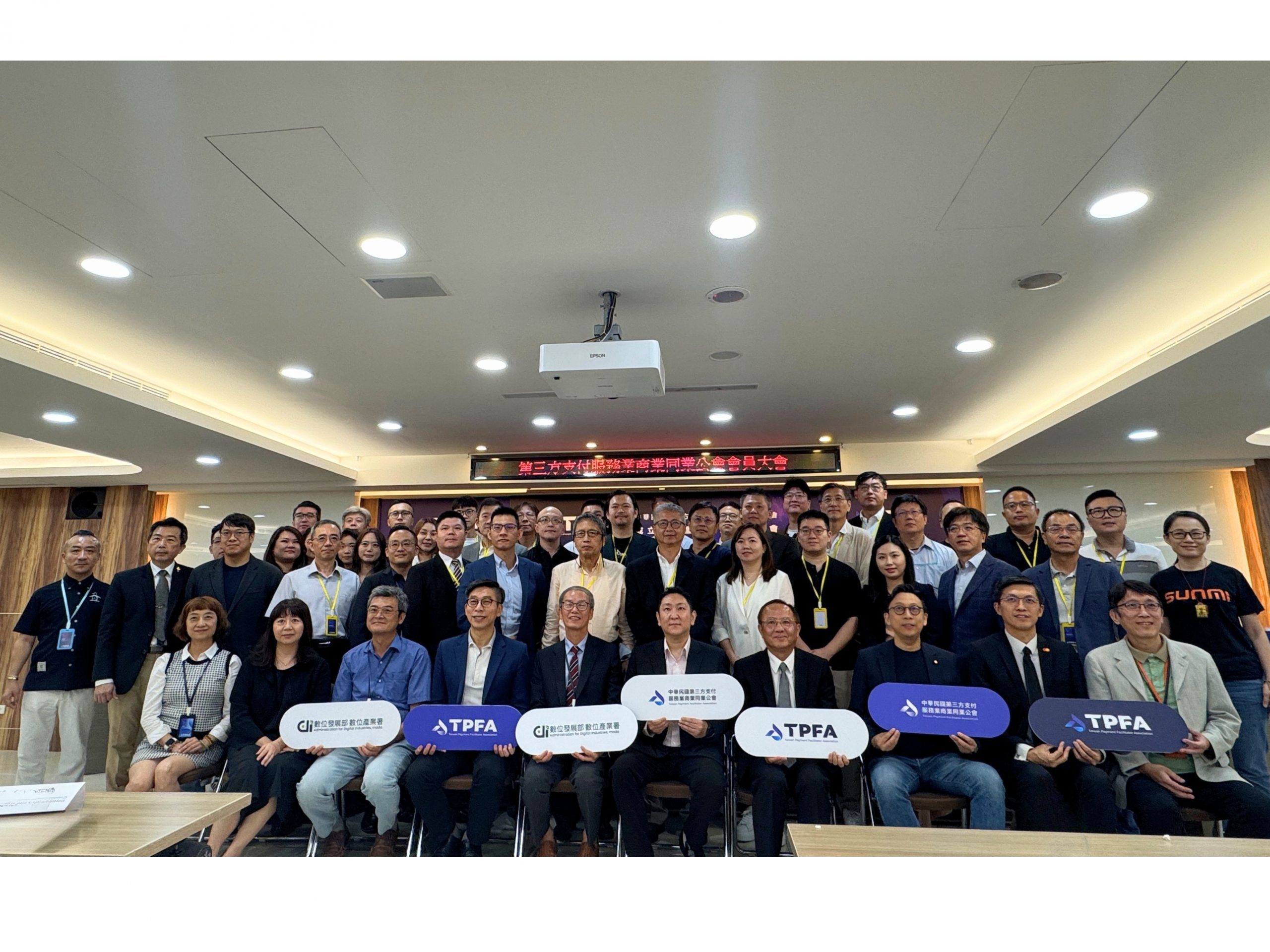
On August 4, 2025, the Taiwan Association of Third-Party Payment Service Providers (Taiwan Payment Facilitator Association, TPFA) was officially established!
Leading companies such as NewebPay, Green World, SunPay, MoMo, LINE Pay, Uber Eats, and 40 other key players have joined forces to launch a new public collaboration platform—aimed at strengthening anti-fraud measures, supporting regulatory reforms, and amplifying the industry’s collective voice.
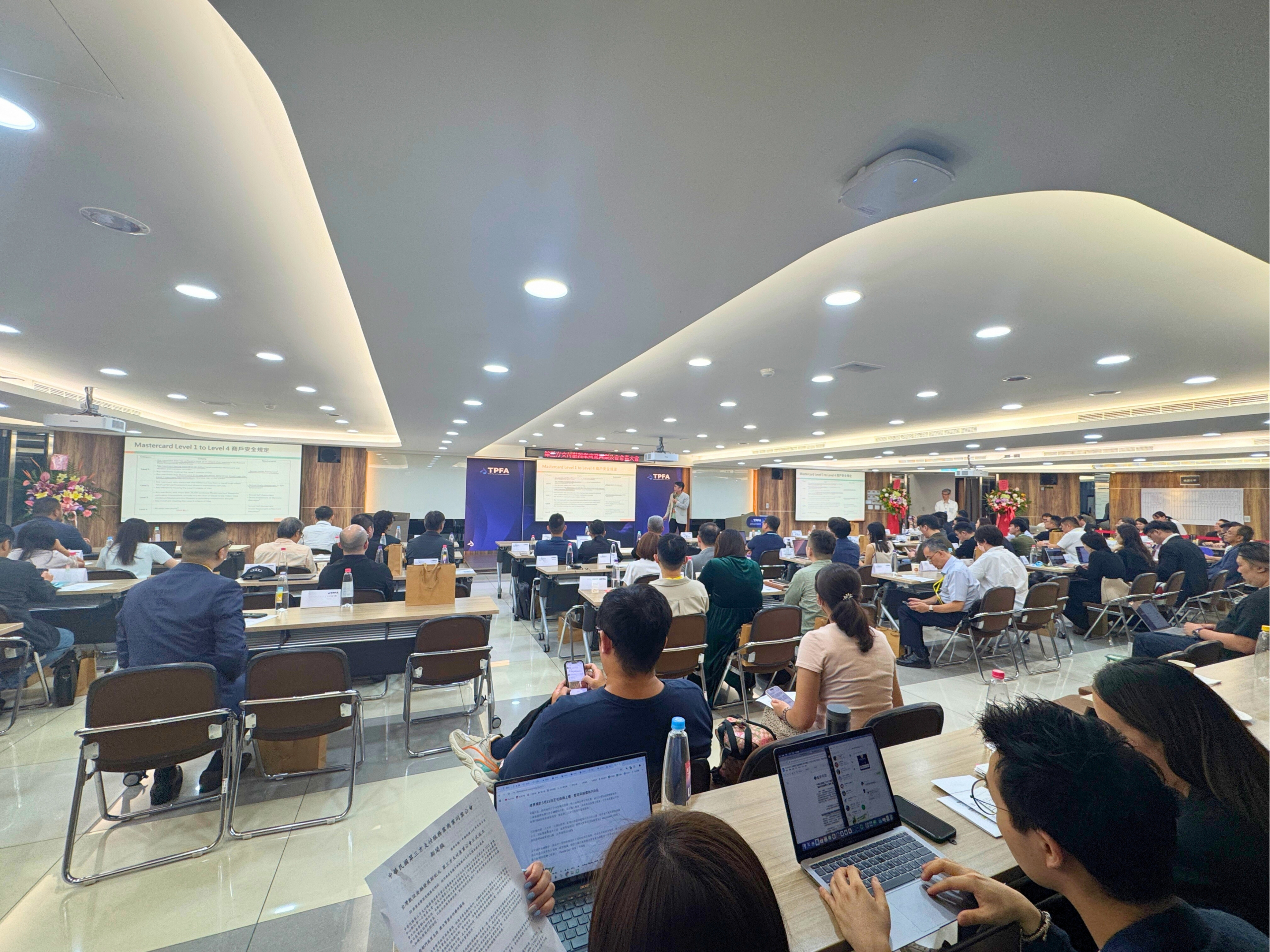
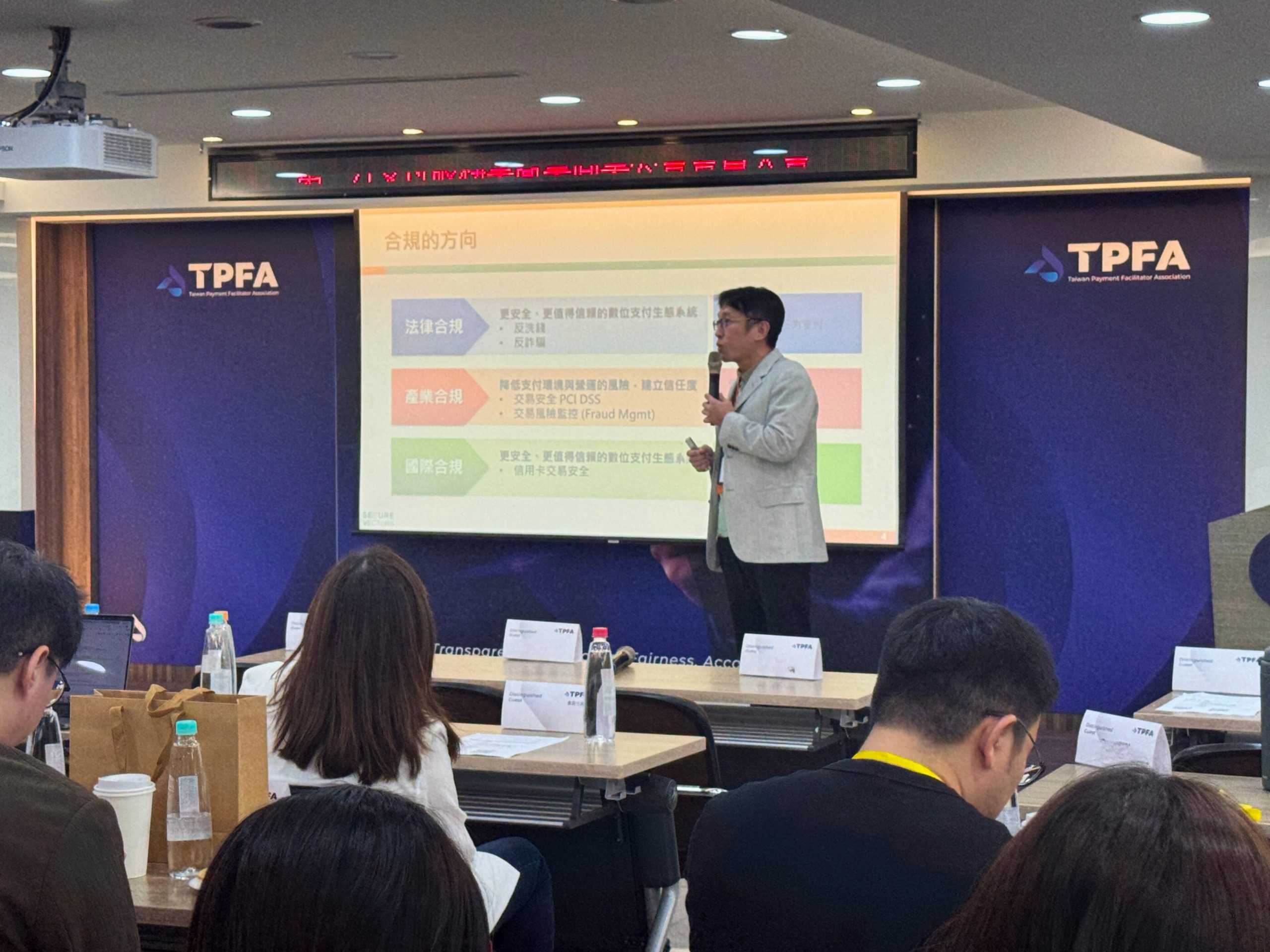
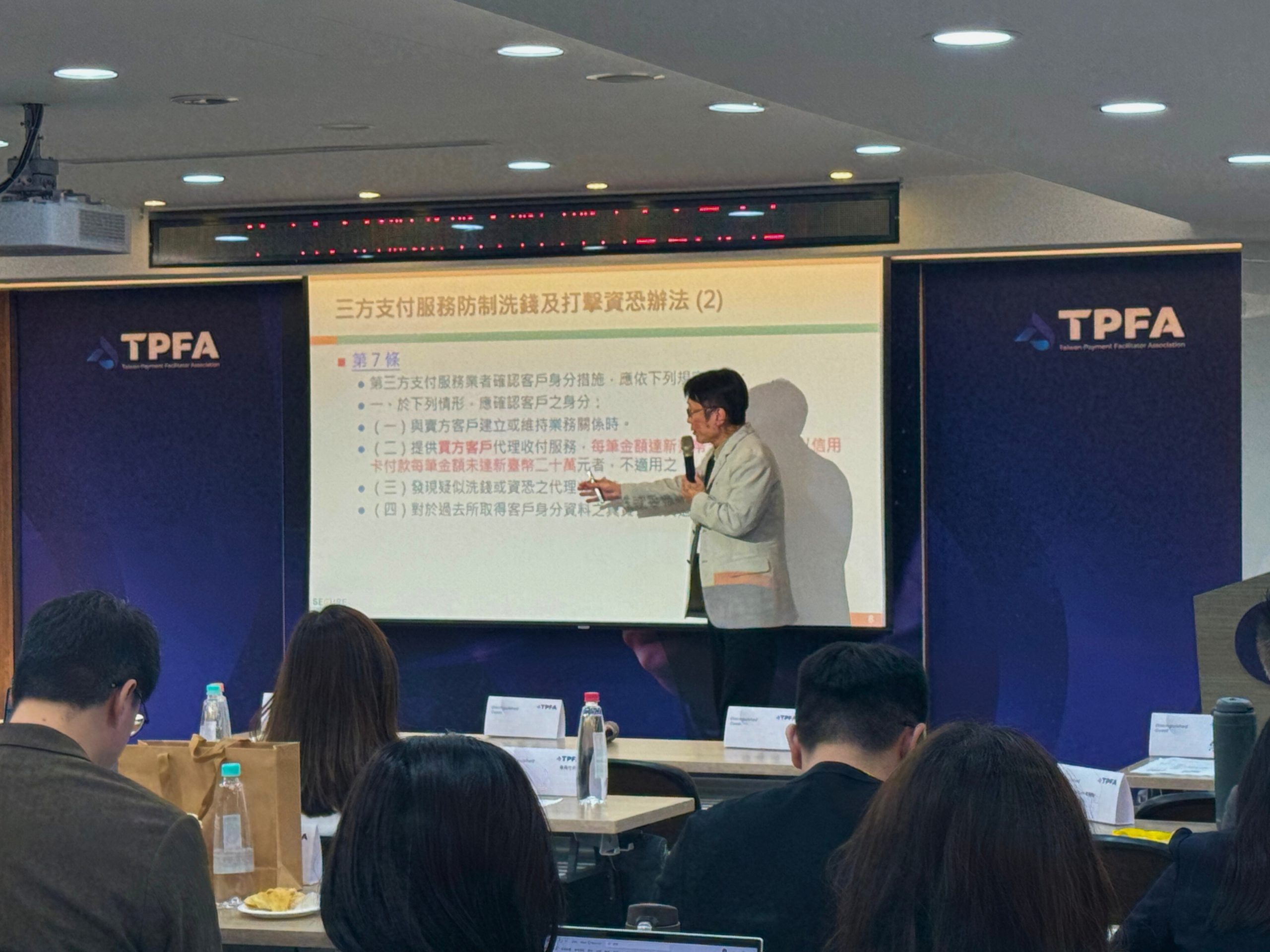
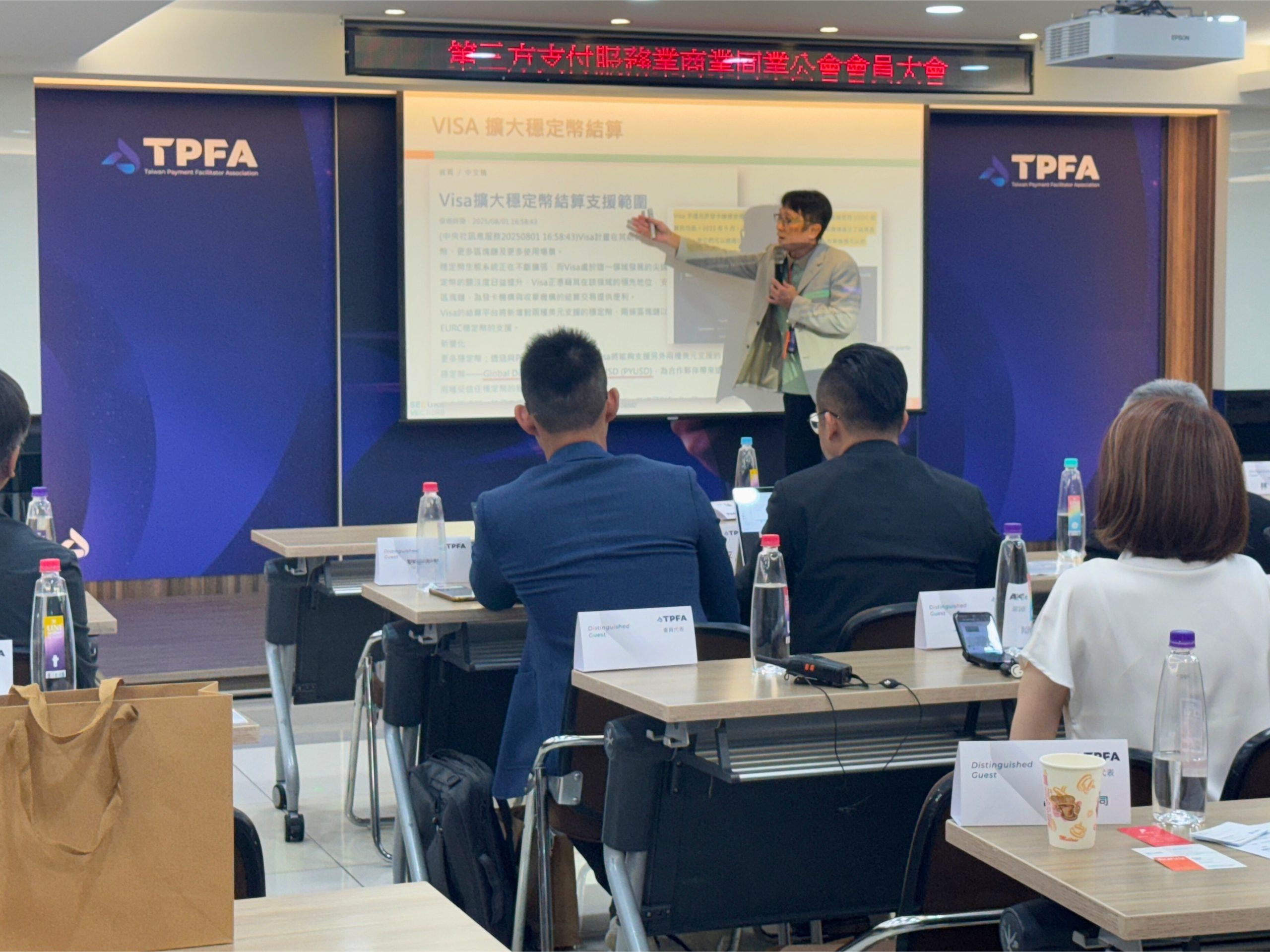
As an active member of the industry, SecureVectors supported the formation of the association. Our CEO, Vincent Huang (Senior PCI DSS QSA), delivered a seminar presentation on“The Challenges of Compliance and Technological Change in the Payment Industry.”
Key points included:
Payment technology scenarios are rapidly evolving with advancements in blockchain and AI—expanding from payment cards and QR codes to applications such as facial recognition and AI agent payments.
These innovations bring new challenges in legal compliance and transaction monitoring.
Companies are encouraged to learn from international best practices, leverage advanced tools, and plan early to establish timely, systematic risk-control and compliance frameworks.
SecureVectors will continue to apply its practical expertise to help create efficient, real-time compliance monitoring systems, working alongside industry partners to build a secure and trustworthy payment environment.
The formation of this association marks the formal establishment of a public collaboration platform between the government and the industry—driving fraud prevention, regulatory reform, and industry advocacy to strengthen overall risk management and regulatory alignment.
【Source:】
https://www.gvm.com.tw/article/123233
https://www.cna.com.tw/news/afe/202508040295.aspx
https://finance.technews.tw/2025/08/04/third-party-payment-industry/
https://www.moneydj.com/kmdj/news/newsviewer.aspx?a=7abe6f43-0983-4f74-9f9e-ffac2d78fb7e
https://www.ithome.com.tw/news/170413
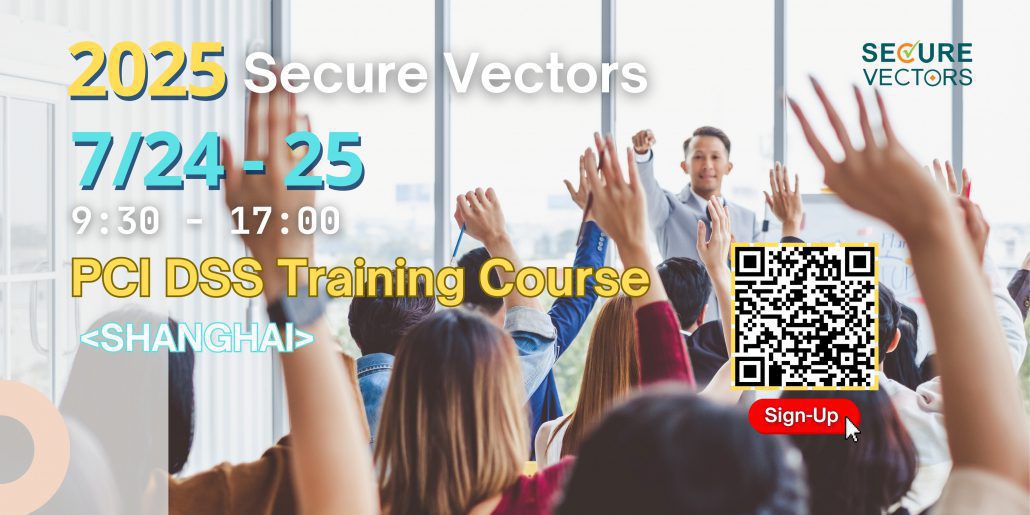
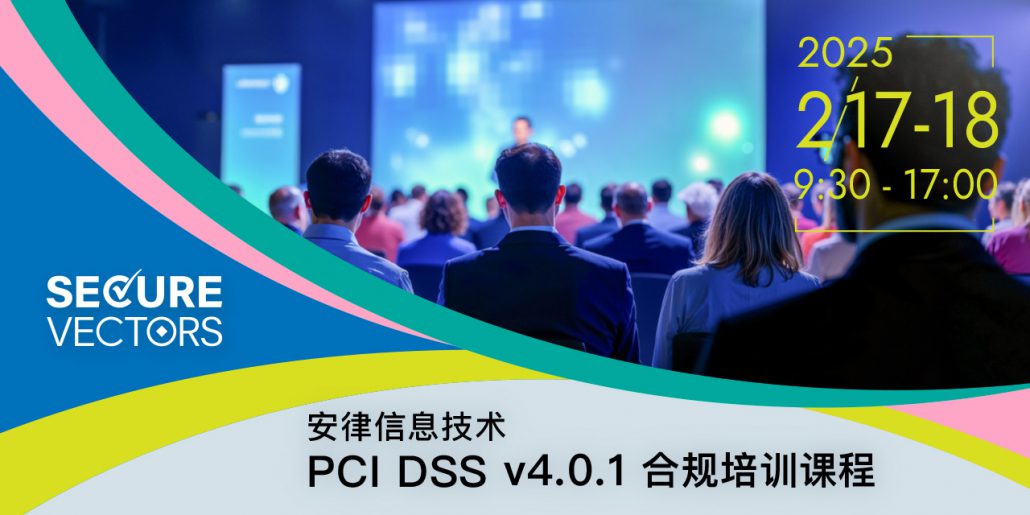
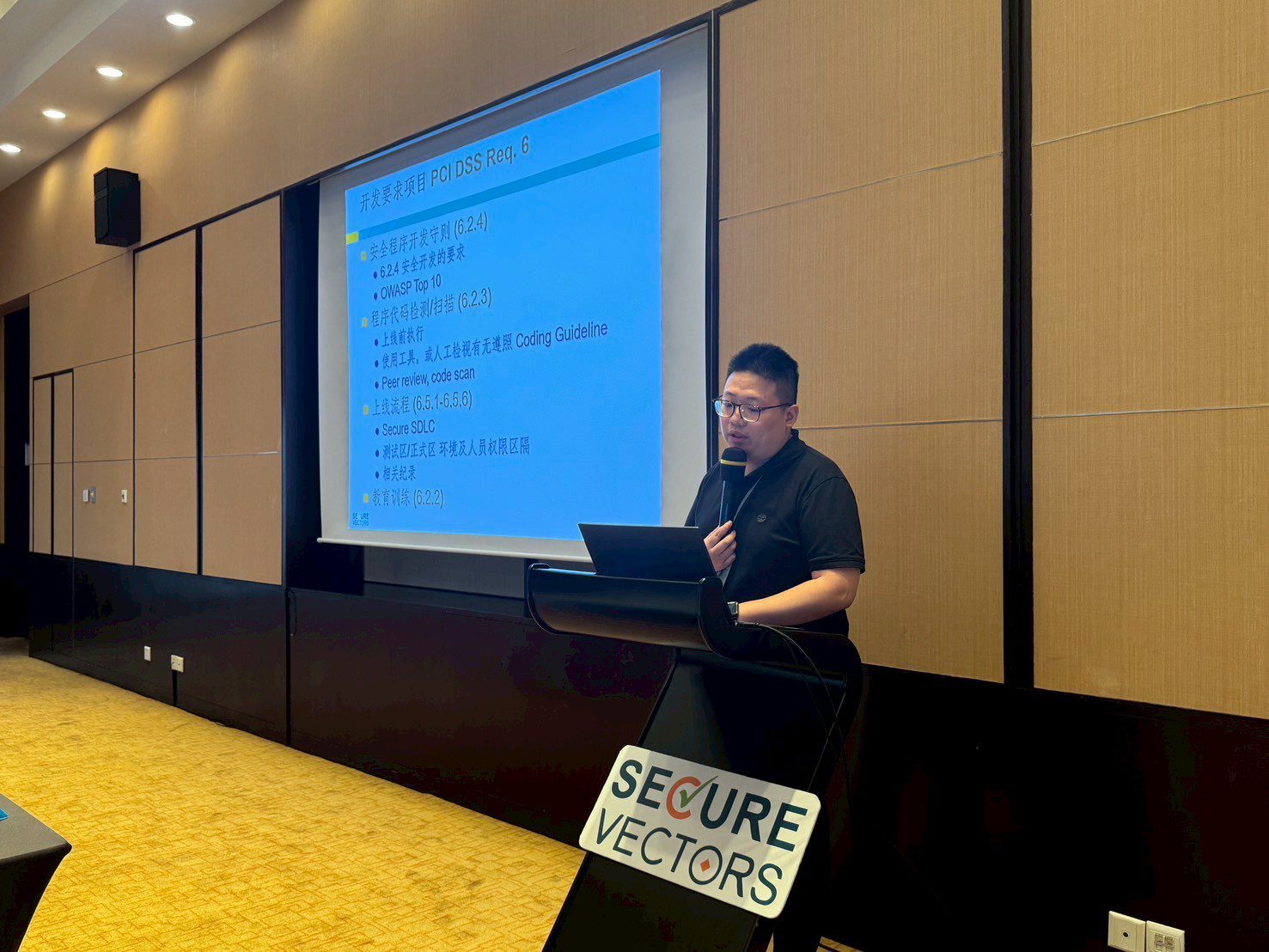
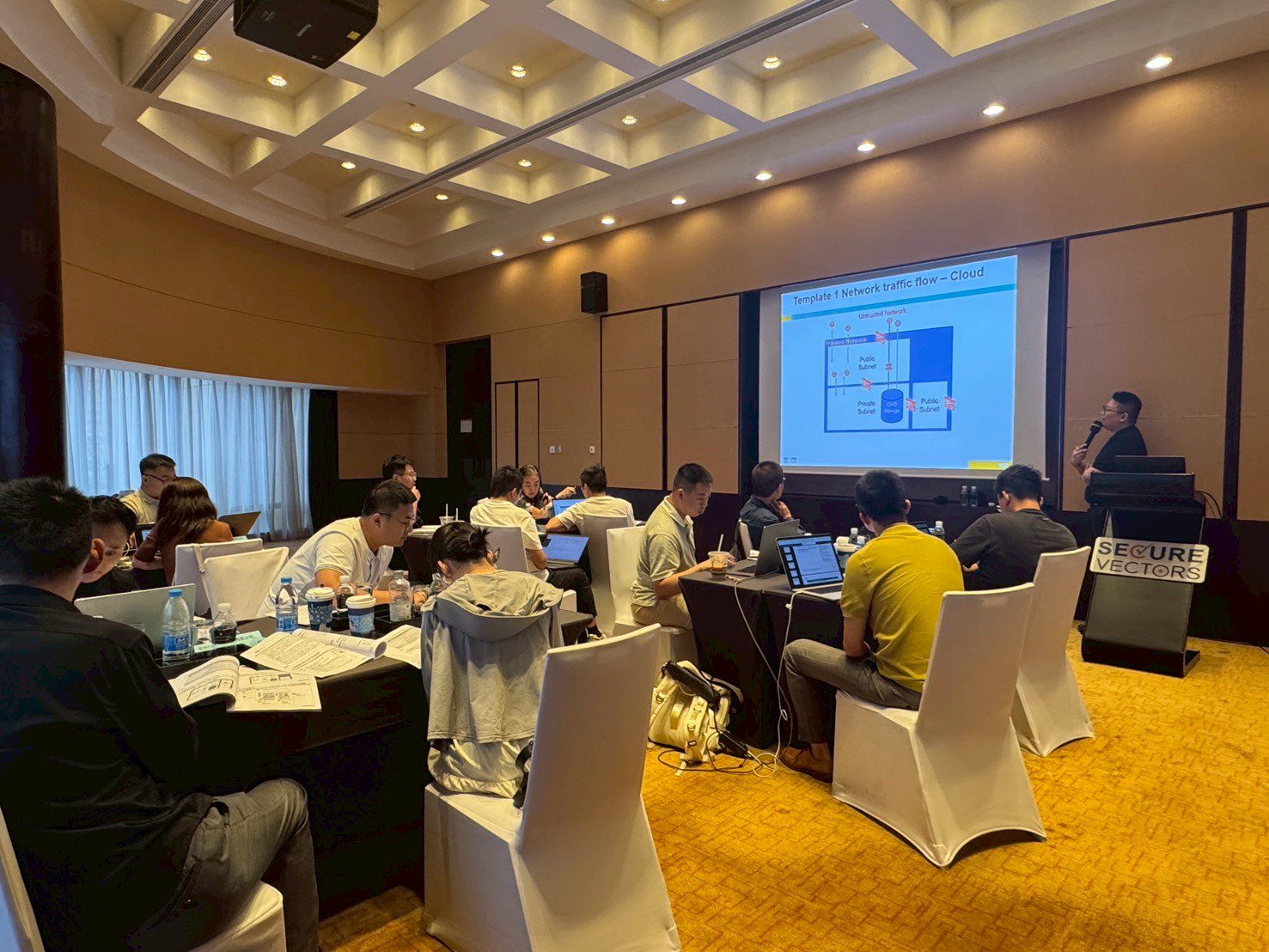
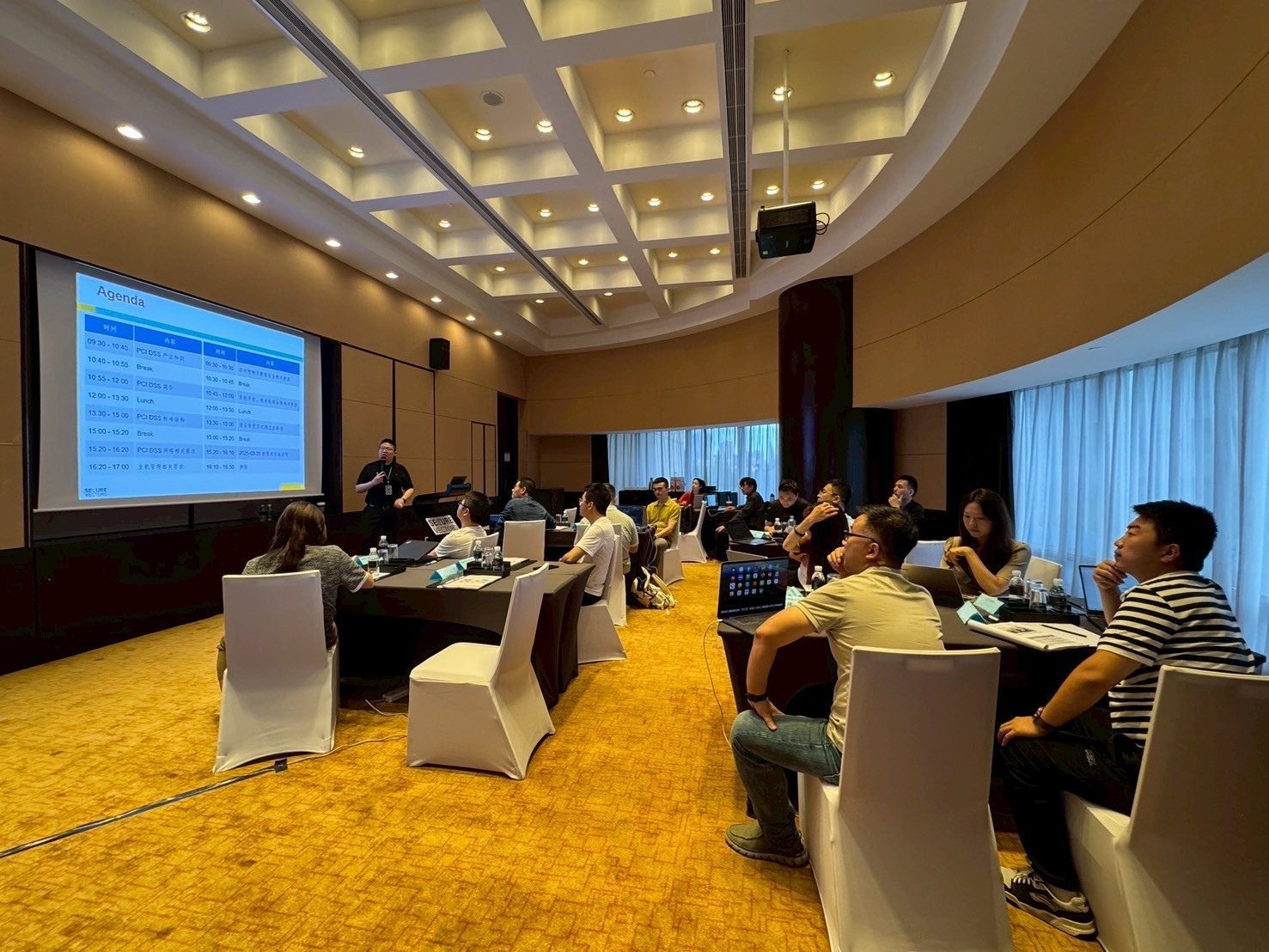
PCI DSS v.4.0.1 Training Shanghai
/0 Comments/in Events, Events-home
This course provides a comprehensive overview and practical guidance on the Payment Card Industry Data Security Standard (PCI DSS). Through detailed requirement breakdowns, real-world case studies, and hands-on implementation strategies, it equips you to fully understand PCI DSS requirements, implement the latest controls, and address key updates in the standard. The training supports successful compliance validation and enhances your organization’s data security posture.
Course Content
✔ Introduction to Payment Card Basics and PCI DSS Terminology
✔ Overview of PCI DSS Concepts and Related Organizations
✔ Comprehensive Analysis of the PCI DSS Compliance Validation Process
✔ In-depth Examination of PCI DSS Security Domains
✔ Operational Requirements for PCI DSS (Networks, Systems, Databases, Access Control, Development, and Management)
✔ Detailed Interpretation of PCI DSS v4.0/v4.0.1 Requirements
✔ Key Controls and Requirements for Implementation Before March 31, 2025
✔ Ongoing Activities and Best Practices for Maintaining Compliance
Target Audience
-
-
📌 Information security professionals interested in payment card processes
-
📌 Individuals exploring PCI DSS requirements or involved in preparing for compliance validation
-
📌 Managers and operational staff responsible for credit card or payment service planning
-
📌 Personnel responsible for securing IT systems or network environments
-
📌 Risk management, security audit, and compliance professionals
-
📅 Date: 2025-07-24~25 (Two Days) 9:30 AM ~ 5:00 PM
📍 Venue: InterContinental Shanghai Pudong, 3F
(No.777 Zhang Yang Road, Pudong New Area, Shanghai / Subway – Century Avenue Station,
Line 2/4/6/9 – Exit 12 / 487m walk)
【Personal Data Notice】
This course unified online registration, please fill in personal information, three days before the course will send a reminder notice, limited places, while stocks last.
The organizer reserves the right to review the eligibility of the course based on the completeness and authenticity of the registration information, and those who do not pass the course will not be notified.
Lunch and afternoon tea break will be provided on both days, please arrive on time.
Arrangements will be made to take photos of the event, which will be used for marketing and publicity purposes.
The organizer reserves the right to make adjustments, final modifications, changes, explanations and cancellations to the content of this course without prior notice; the revised content will be posted on the event page of the official website without prior notice.
For the purpose of this course, personal information such as your Chinese name, title, contact telephone number, e-mail address and full company name will be collected and used for necessary notification during the course and in the required area. Failure to complete this form may affect subsequent notifications. If you have any further questions, please contact Email: service@securevectors.com
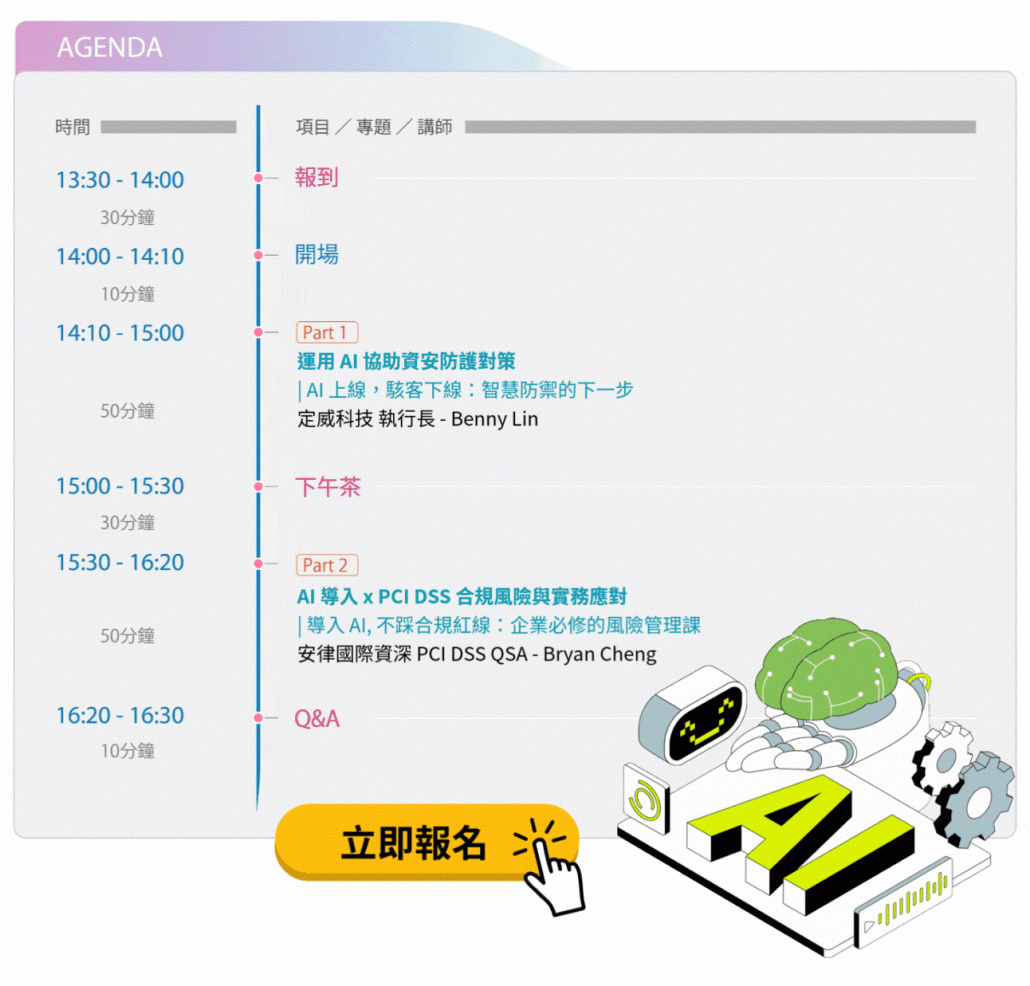
2025Q2 PCI DSS Workshop (When Generative AI meets PCI DSS, is it a Risk or an Enabler?)
/0 Comments/in Events, Events-home📢 Have you stepped on an AI Compliance Landmine?
New 2025 OWASP TOP 10 FOR LLM & GenAI list reveals that AI is not just a tool, but also a new type of attack surface!
Generative AI is burning brightly into enterprise processes, from customer service conversations, to internal analytics, to automation tools. Organizations may already be using it all, but:
🧨 Is your AI tool handling card numbers?
🧨 Did the model train in sensitive data?
🧨 Are input and response data compliant with PCI DSS encryption and access controls?
🧨 Can your AI tools be compromised by a prompt injection attack?
As PCI DSS consultants, we don’t just talk about risk, we offer practical experience and control recommendations to help you:
🔐 Verify that your organization’s introduction of AI is not stepping into PCI DSS off-limits.
🔐 Take stock of what compliance controls and evidence need to be incorporated into AI applications
🔐 Understand which AI capabilities should be included in the PCI DSS scope review
🔐 Review how the OWASP Top 10 For LLM & GenAI corresponds to the PCI DSS Top 12 requirements
🔐 How to apply AI to help organizations improve and refine their security countermeasures
📅 Time: Wed. 2025-05-28 | 2:00 – 4:30 PM
📍 Location: Secure Vectors, Taipei Office
(MRT Nanjing Fuxing Station Exit 8 or Songjiang Nanjing Station Exit 6)
👉Enroll now and be the first to master the compliant offense and defense strategies in the AI era! Limited seats, exclusive to our clients!
#AI #PCI DSS #Compliance #Compliance #Security Essentials #EnterpriseAIRisks
**Personal Data Notice**
To organize this event, your name, job title, contact number, email, and company name (C001 Personal Identifiers, C061 Employment Details) will be collected for necessary communications and operations. Incomplete information may affect notifications.
You may exercise your rights under Article 3 of the Personal Data Protection Act. For inquiries, contact Secure Vectors at (02) 3393-1006 or service@securevectors.com.
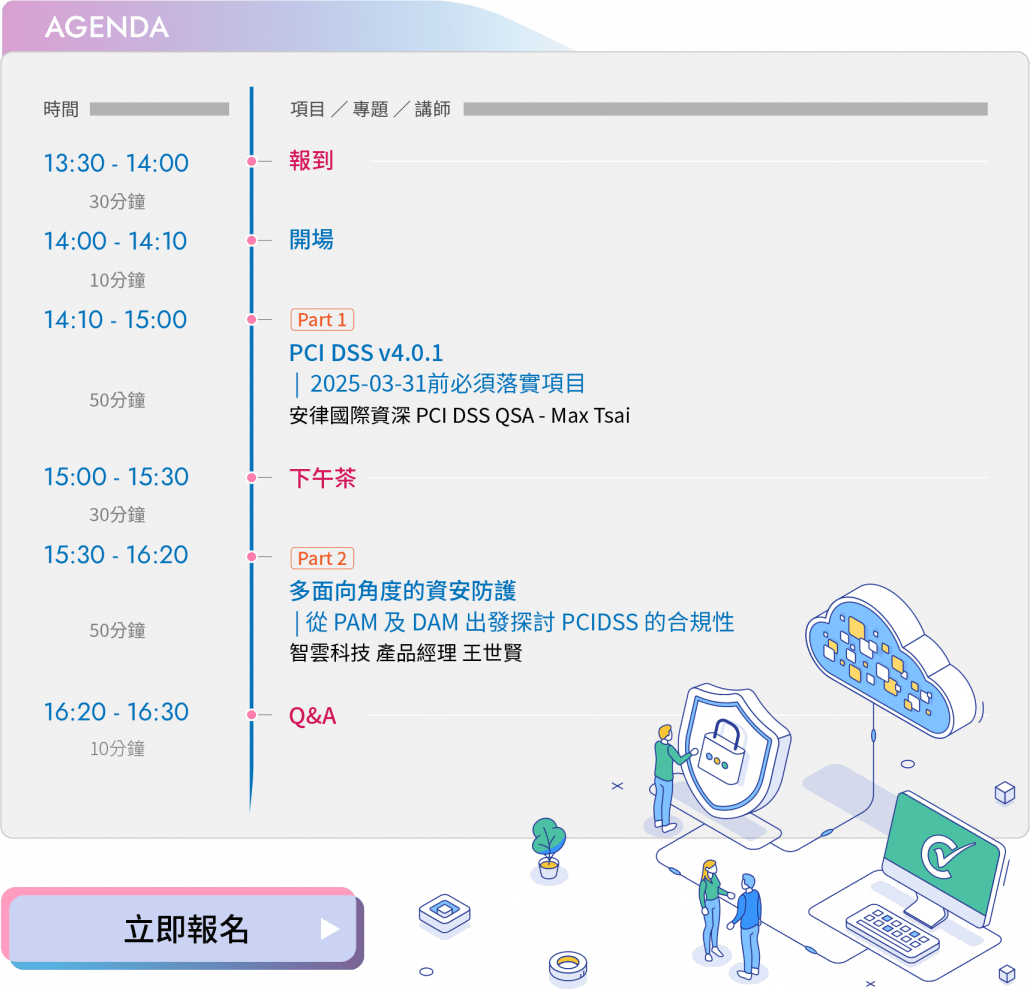
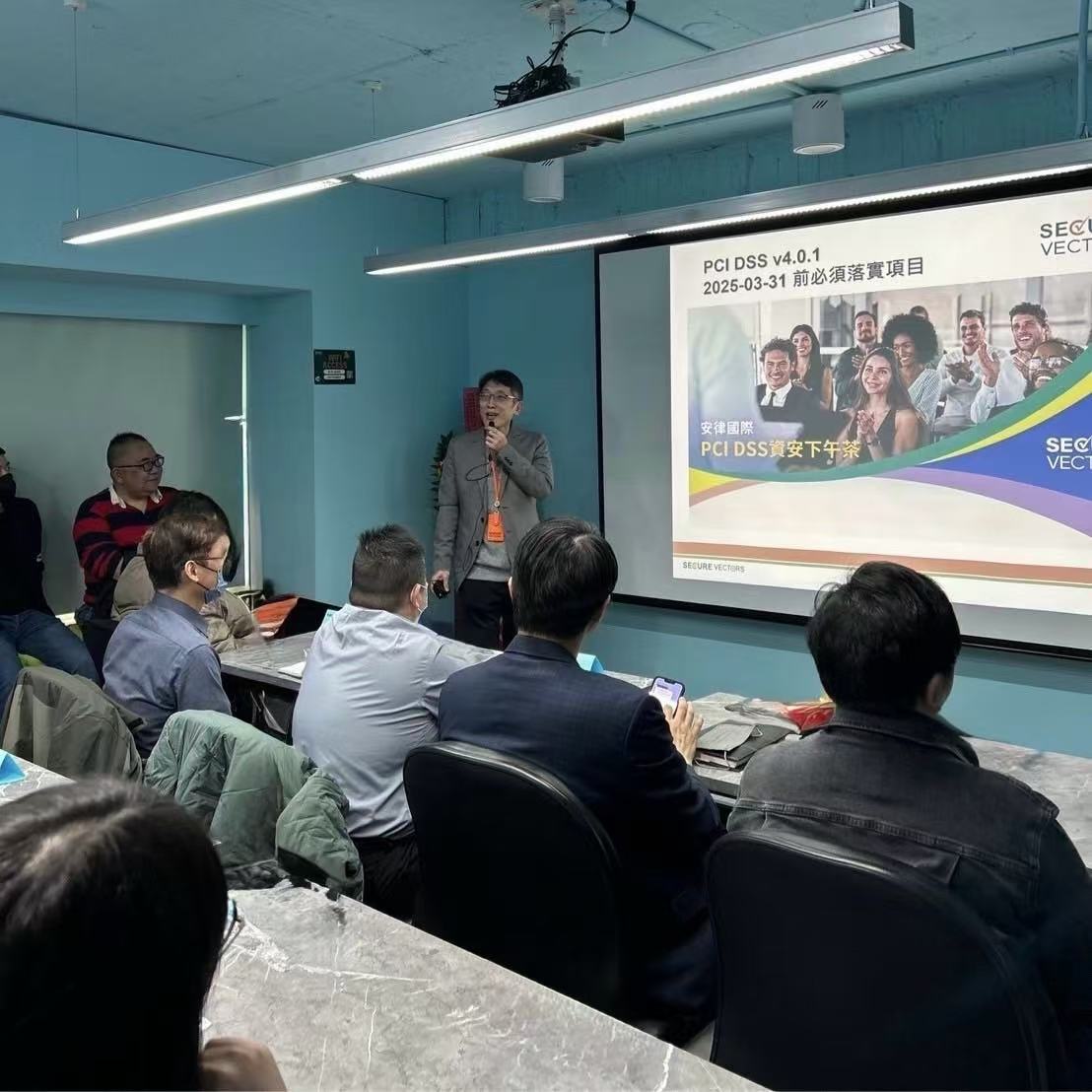
PCI DSS Workshop_v4.0.1 Key Req. by 2025 Q1_0226
/0 Comments/in Events, Events-home
PCI DSS v4.0.1 compliance requirements must be implemented by 2025-03-31, including key focuses such as key hashing algorithms 🔑, password management 👤, system monitoring ⚙️, and log reviews 🔍. Are you ready?!
Join SVITI Workshop for the insightful information! In just one session, solve your compliance challenges with ease!
✅ Key Highlights
Learn the must-dos for PCI DSS v4.0.1 compliance requirment by 2025Q1!
✅ Practical Insights
Real-world examples to show you how to achieve compliance quickly and effectively!
✅ Guest Speaker: MyServer – A Stronghold for Digital Security, Fortified and Resilient Against Threats!
**Limited seats exclusive for our clients! Register now and don’t get left behind!**
📅 Time: Wed. 2025-02-26 | 2:00 – 4:30 PM
📍 Location: Secure Vectors, Taipei Office
(MRT Nanjing Fuxing Station Exit 8 or Songjiang Nanjing Station Exit 6)PCI DSS v.4.0.1 Training Shenzhen
/0 Comments/in Events, Events-home
This course provides a comprehensive overview and practical guidance on the Payment Card Industry Data Security Standard (PCI DSS). Through detailed requirement breakdowns, real-world case studies, and hands-on implementation strategies, it equips you to fully understand PCI DSS requirements, implement the latest controls, and address key updates in the standard. The training supports successful compliance validation and enhances your organization’s data security posture.
Course Content
✔ Introduction to Payment Card Basics and PCI DSS Terminology
✔ Overview of PCI DSS Concepts and Related Organizations
✔ Comprehensive Analysis of the PCI DSS Compliance Validation Process
✔ In-depth Examination of PCI DSS Security Domains
✔ Operational Requirements for PCI DSS (Networks, Systems, Databases, Access Control, Development, and Management)
✔ Detailed Interpretation of PCI DSS v4.0/v4.0.1 Requirements
✔ Key Controls and Requirements for Implementation Before March 31, 2025
✔ Ongoing Activities and Best Practices for Maintaining Compliance
Target Audience
-
-
📌 Information security professionals interested in payment card processes
-
📌 Individuals exploring PCI DSS requirements or involved in preparing for compliance validation
-
📌 Managers and operational staff responsible for credit card or payment service planning
-
📌 Personnel responsible for securing IT systems or network environments
-
📌 Risk management, security audit, and compliance professionals
-
📅 Date: 2025-02-17~18 (Two Days) 9:30 AM ~ 5:00 PM
📍 Venue: Hong Feng Grand Hotel, 3F, Chun Man Yuan
Course Fee: 6,000 RMB
SVITI PCI DSS Clients Enjoy 15% Discount
(Each SVITI client is entitled to 2 free spots)
Exclusive seats for client are limited.
Please scan the QR code via WeChat to register!
- To register, please log in to WeChat and fill in your personal information. Reminder notifications will be sent before the event. The organizer reserves the right to review registration eligibility based on the completeness and authenticity of the provided information. Unsuccessful registrants will not be notified separately.
- This event uses an online registration and review system only. Phone registrations are not accepted. Seats are limited and available on a first-come, first-served basis.
- Seating is on a first-come, first-served basis on the day of the event. Lunch, coffee, tea, alcoholic beverages, and afternoon tea will be provided for both days. Please arrive on time as late arrivals will not be accommodated.
- During the event, there will be personnel recording the event for promotional purposes. The recordings may be used for marketing after the event concludes.
- The organizer reserves the right to adjust, modify, change, provide the final explanation, or cancel the event. Any changes will be updated on the official event page, and no further notifications will be provided.
PCI DSS Workshop_v4.0.1 Key Req. by 2025 Q1
/0 Comments/in Events, Events-home
✅ Key Highlights
Learn the must-dos for PCI DSS v4.0.1 compliance requirment by 2025Q1!
✅ Practical Insights
Real-world examples to show you how to achieve compliance quickly and effectively!
✅ Special guest speaker:ZUSO Generation -Explore the real challenges of website security—from attacks to defenses!
**Limited seats exclusive for our clients! Register now and don’t get left behind!**📅 Time: Wed. 2025-02-12 | 2:00 – 4:30 PM
📍 Location: Secure Vectors, Taipei Office
(MRT Nanjing Fuxing Station Exit 8 or Songjiang Nanjing Station Exit 6)
**Personal Data Notice**
To organize this event, your name, job title, contact number, email, and company name (C001 Personal Identifiers, C061 Employment Details) will be collected for necessary communications and operations. Incomplete information may affect notifications.
You may exercise your rights under Article 3 of the Personal Data Protection Act. For inquiries, contact Secure Vectors at (02) 3393-1006 or service@securevectors.com.
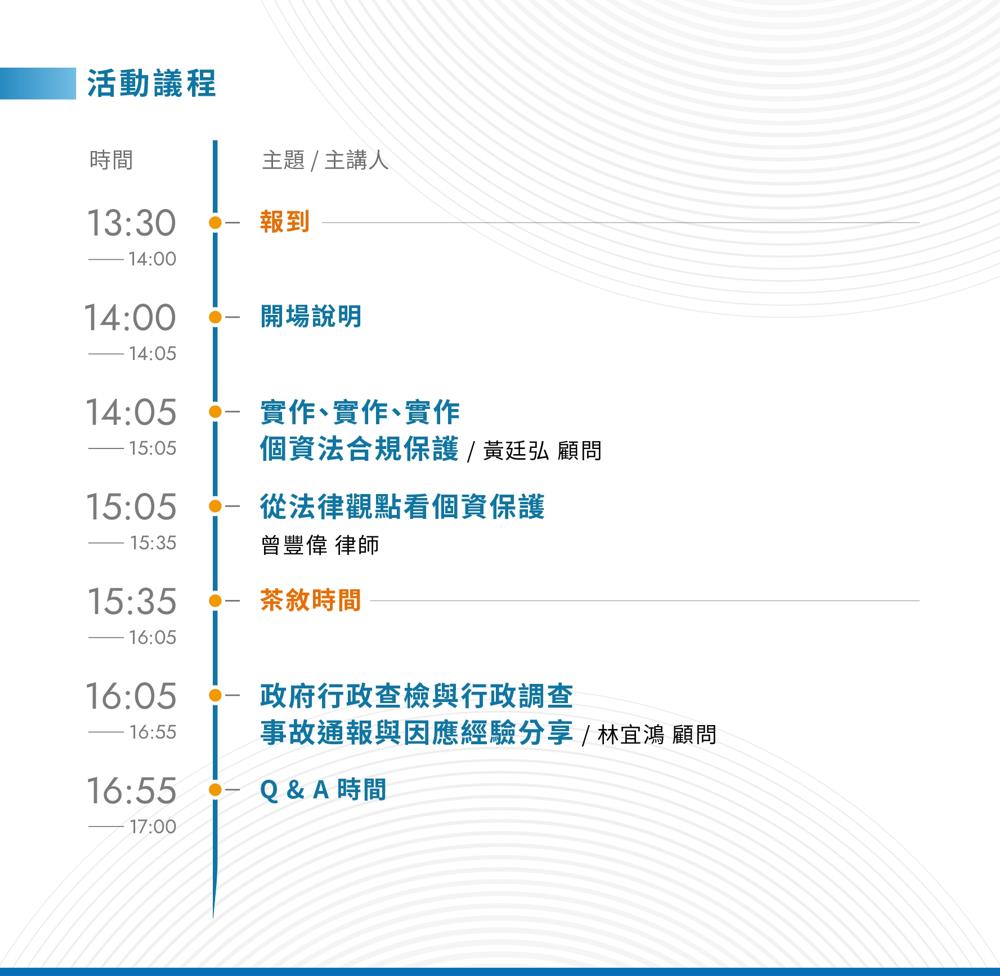
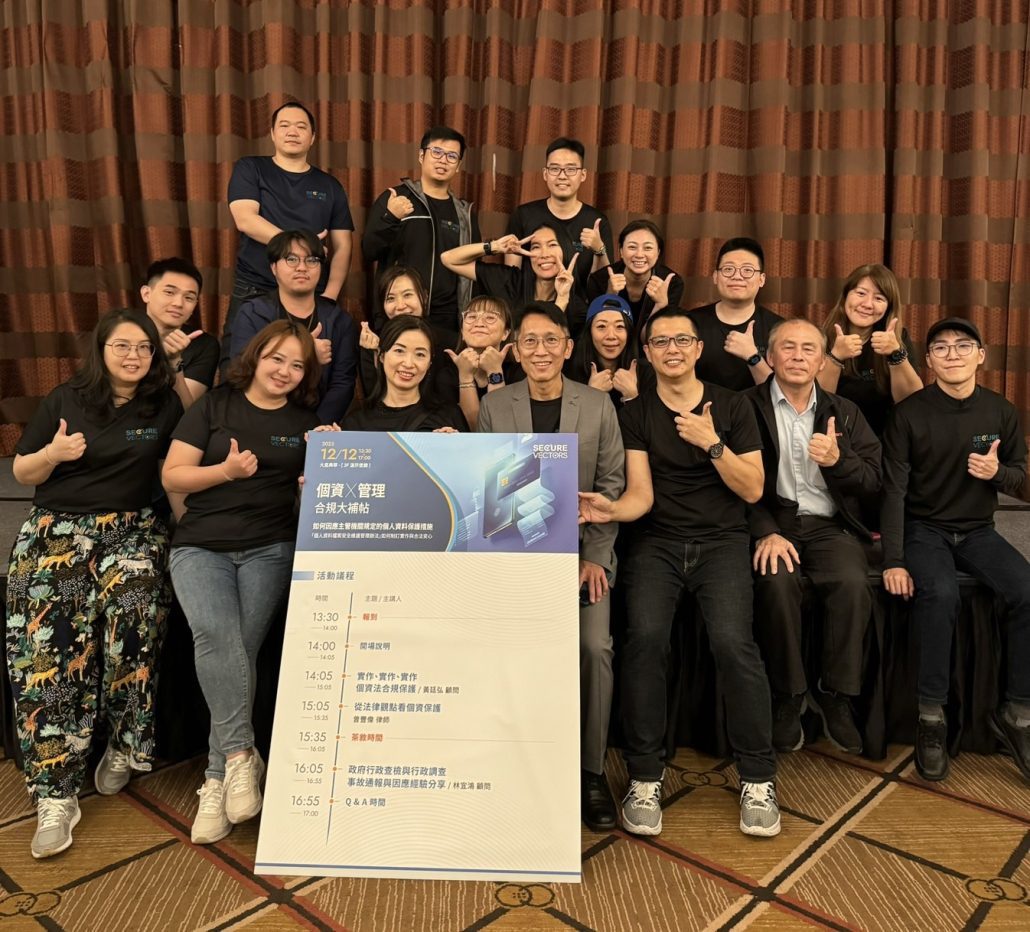
12-12 How to implement and ensure being compliant with “Personal Data Security.”
/0 Comments/in Events, Events-home
Strengthening Personal Data Protection
Seminar on Compliance and Practical Implementation
To enhance personal data protection, agencies such as the Ministry of Economic Affairs, Ministry of Transportation, FSC, and Ministry of Digital Affairs have issued stricter requirements, with the Legislative Yuan raising fines up to NT$15 million.
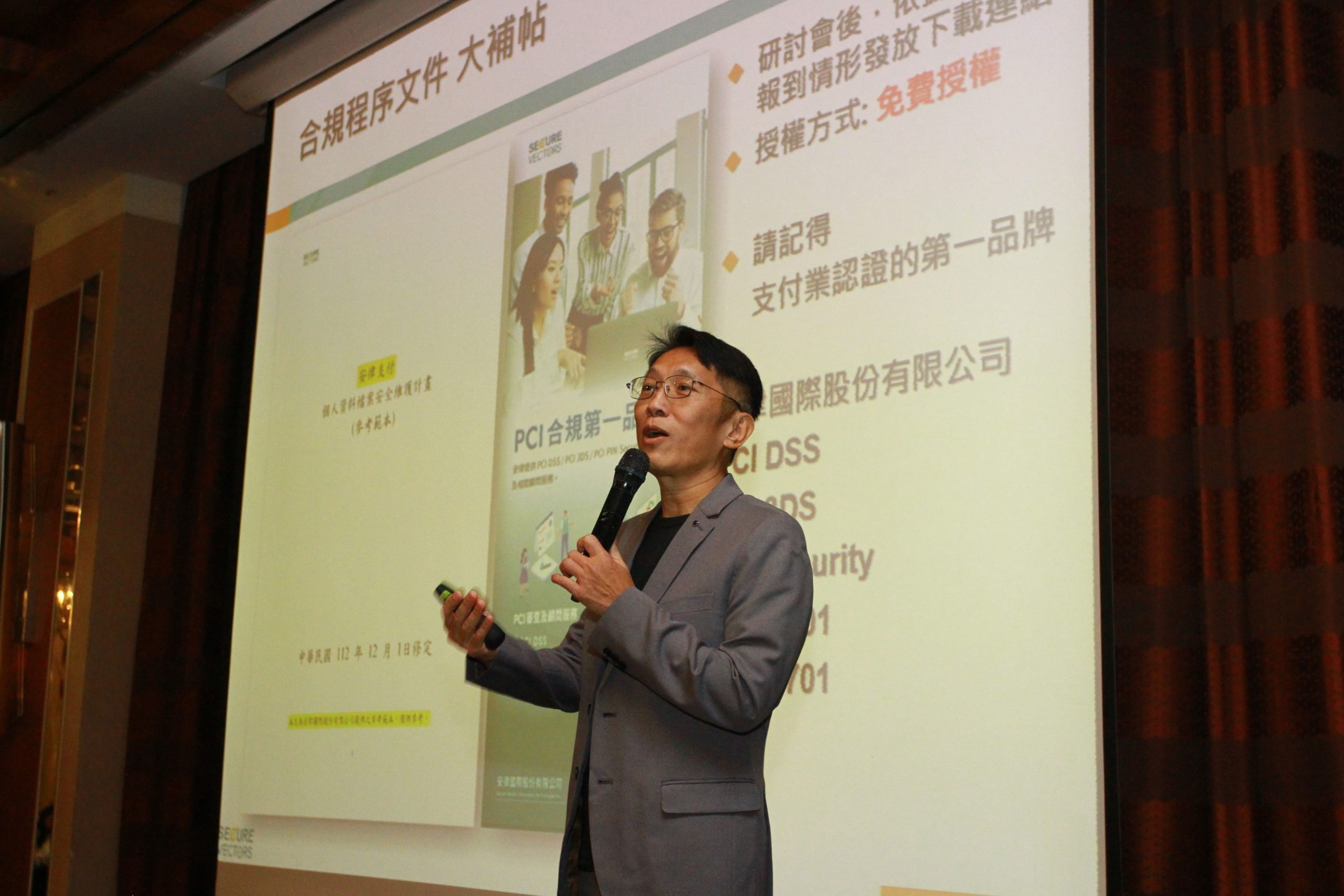
For example, under new Ministry of Digital Affairs regulations, organizations must complete a “Personal Data File Security Maintenance Management Plan” by January 12, 2024. The regulation’s 20 provisions cover personal data management and incident reporting, requiring measures tailored to the organization’s needs. Regulatory bodies’ future audits make implementing data protection crucial.
Though templates are available, standardized models often lack practical application. This seminar will clarify how to ensure compliance and conduct accurate internal checks, share common audit questions, and cover real-world examples for managing data incidents. Topics include legal compliance, audit preparedness, incident response planning, and emergency measures for data, networks, and systems. Our goal is to help organizations establish effective Incident Response Plans.
Since the Personal Data Protection Act’s enactment, Anly International has successfully guided large corporations through compliance checks, achieving PIMS certification, and assisted public agencies and companies in creating tailored data management plans. Participants will receive procedural templates, practical guidance, and case studies.
Register online for December 12 to reserve your spot! Enjoy coffee, tea, and refreshments while networking with expert consultants and peers.
We’re here to address your concerns and offer solid support.
We look forward to seeing you and sharing practical insights to strengthen your data protection efforts!
- This event requires online registration approval only; phone registrations are not accepted. Limited seats are available, and registration will close once full. If seats are all reserved, organizers may close registration without prior notice.
- Seats are first-come, first-served on the event day. Please be on time. Coffee, tea, wine, and snacks will be provided during the break; no on-site orders, substitutions, or additions can be accommodated.
- Photos and recordings will be taken during the event for promotional use on our event page. The organizers reserve the right to adjust, modify, interpret, or cancel the event as needed; any updates will be posted on the event page without further notice.


SVITI
SVITI